
For countless dog owners, the crate is a cornerstone of training, travel, and safety. Yet, when it comes to moving that secure haven from point A to point B, the process often devolves into an awkward, back-straining, and anxiety-inducing ordeal for both human and pet. The traditional crate, while effective as a stationary den, fails miserably in a mobile context. The rolling dog crate emerges as the definitive solution to this modern pet-care dilemma, transforming transport from a dreaded chore into a seamless extension of responsible ownership. By integrating mobility into the very concept of containment, it addresses not just the symptom but the root cause of transport friction.
Imagine the scenarios: a frantic rush to the emergency vet, navigating a crowded airport terminal, or managing multiple dogs at a weekend show. In each, the static nature of a standard crate becomes a significant liability. This innovation is more than a set of wheels; it’s a paradigm shift that enhances safety, prioritizes ergonomics, and preserves the emotional well-being of your canine companion during necessary transitions. The benefits are profound and wide-reaching, applicable to pet parents, professional handlers, and veterinary staff alike. Let’s delve into the compelling reasons to adopt this tool and explore the specific situations where its value becomes indisputable.
The Mobility Revolution: Why Wheels Change Everything
The core advantage is elemental: rolling replaces lifting. This simple change cascades into a multitude of benefits, fundamentally altering the crate’s role from a passive container to an active transport unit. It bridges the gap between the safety of a fixed space and the demands of a dynamic life with your dog.
The Problem: The Immovable Object in a Life That Must Move
The conventional dog crate is designed with a single, static purpose: to provide a secure, den-like environment in a fixed location. Its success in this role is well-documented for house training and creating a safe space. However, modern pet ownership is inherently mobile. Our dogs join us on road trips, require visits to vets and groomers, participate in therapy work, and compete in sports. In this context, the stationary crate’s limitations become glaringly obvious and problematic.
The High Cost of Static Crating: A Two-Sided Burden
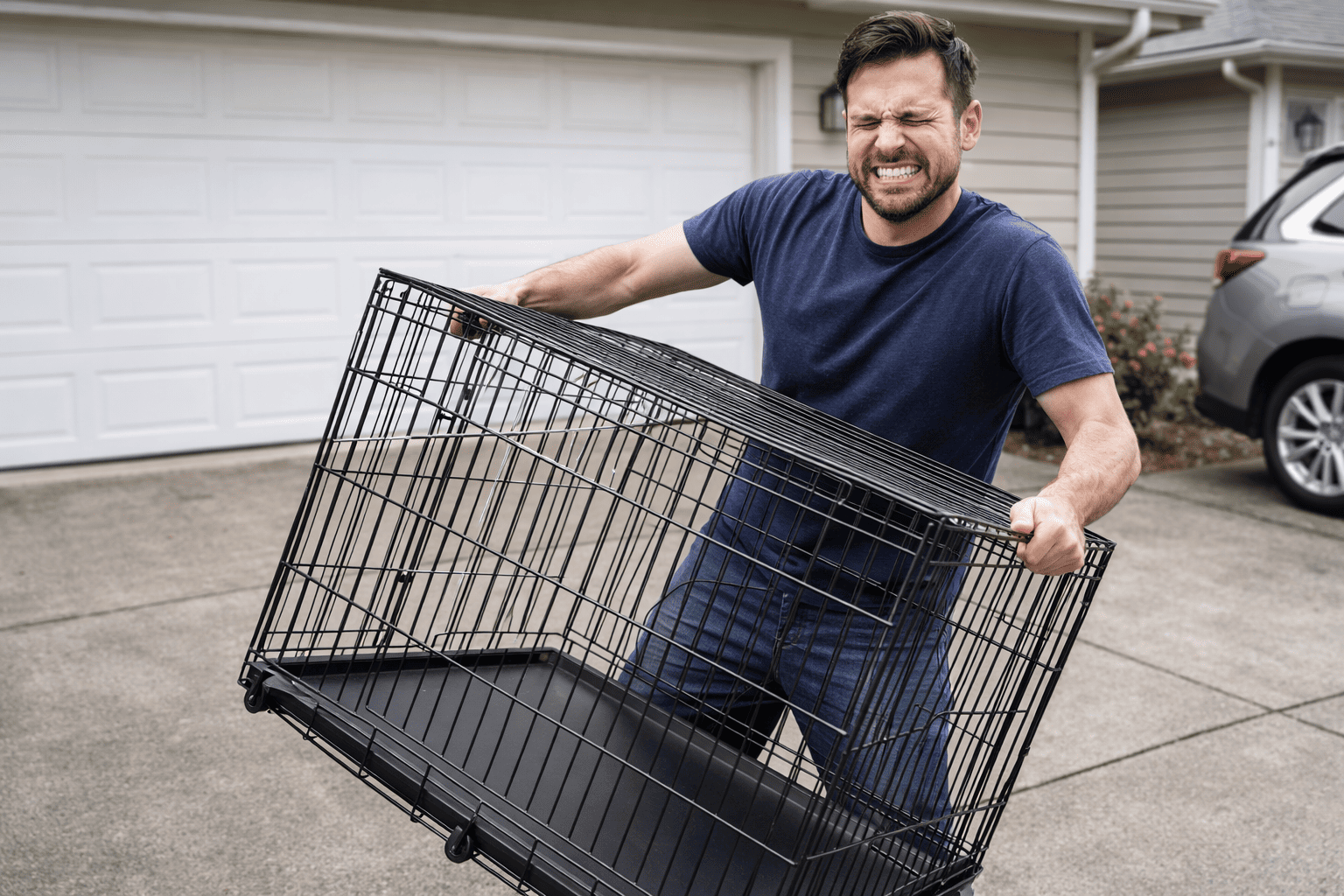
The problem is exacerbated by specific life stages and activities. For aging pet owners or those with physical limitations, lifting any crate may be off the table, unfairly limiting their ability to care for their companion. For dogs in post-operative recovery, where “crate rest” is medically mandated, the transfer from clinic to car to home is a critical moment where stability is paramount. A single misstep while carrying can undo surgical repairs and cause significant pain. The agitation deepens when we consider high-stakes environments like busy airports, where time, crowds, and regulations demand efficiency that a heavy, awkward box cannot provide.
Furthermore, the emotional toll is significant. The pre-trip anxiety felt by an owner anticipating a struggle is often sensed by the dog, setting a negative tone before the journey even begins. This cycle of stress and strain is so normalized that many simply accept it as an unavoidable part of having a dog. But it doesn’t have to be this way. The friction points are clear: weight, instability, inefficiency, and induced anxiety. The solution must directly counter these points with lightness (perceived), stability, streamlined operation, and calm assurance.
Agitating the Pain Points: When Compromise Isn’t an Option
To truly appreciate the value of the rolling crate, we must examine the moments where the standard crate’s shortcomings aren’t just inconvenient—they are critically limiting or even dangerous. These are the scenarios that push pet owners to seek a better way.
Critical Failure Points of Stationary Crates
The Emergency Situation: In a crisis—a sudden illness, a natural disaster requiring evacuation—speed and safety are everything. Fumbling with a heavy crate wastes precious minutes and can lead to panic-driven mistakes. A rolling crate can be pre-positioned as part of an emergency kit, allowing you to secure your pet and move them to safety in one fluid motion.
The Aging Dog/Owner Dynamic: As dogs age, they may develop arthritis or other conditions requiring more frequent vet visits. Simultaneously, their owners may be dealing with reduced strength or mobility. A stationary crate creates an insurmountable barrier to care. The rolling option preserves independence and dignity for both.
The Competitive Circuit: At a dog show, a handler may be responsible for multiple animals. Time spent wrestling crates from a vehicle to a grooming set-up is time not spent preparing the dogs. The physical exhaustion from lifting compounds over a long day, impairing performance. Efficiency is directly tied to success.
The Long-Distance Relocation: Moving homes across the country involves multiple transitions: home to car, car to hotel, hotel to car, car to new home. Each transition with a static crate is a repetitive strain injury waiting to happen and a fresh stressor for the dog.
Consider the financial and opportunity costs as well. An owner might forego a beneficial weekend training seminar or a relaxing cabin getaway because the thought of managing the crate is overwhelming. A professional handler’s career could be shortened by chronic back problems exacerbated by years of heavy lifting. The mental load of constantly planning around this logistical hurdle is a silent tax on the joy of pet ownership.
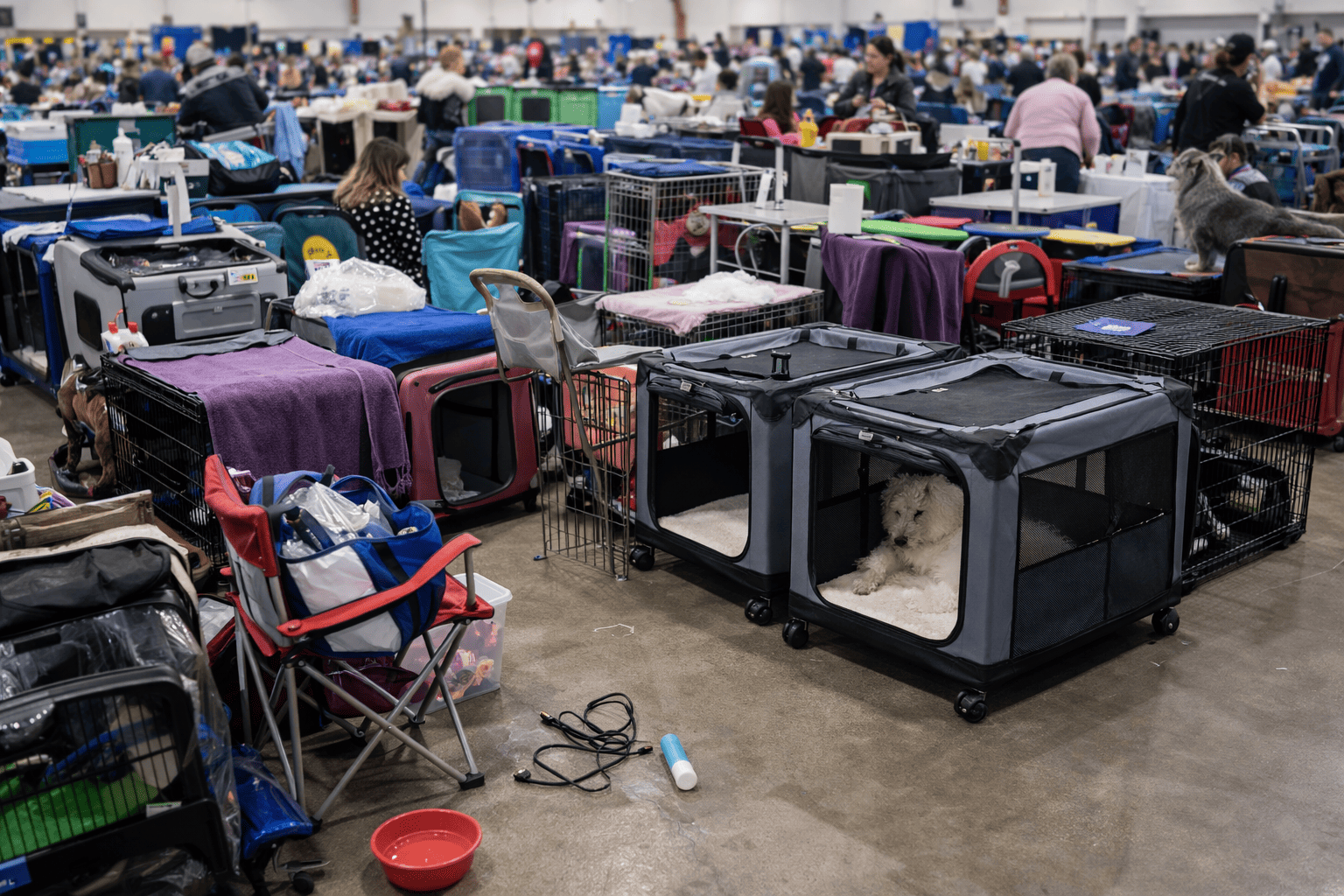
The market has attempted patchwork solutions—separate folding carts or trolleys—but these add another piece of equipment to store, assemble, and secure. They often create a wobbly, insecure connection between cart and crate, which can be more frightening for the dog than being carried. This agitation clarifies the need: the mobility must be integral, not add-on. The wheels must be part of a unified, stable system designed from the ground up (quite literally) for smooth, secure transport. The crate must transform from a box you carry to a vehicle you guide.
This isn’t about luxury; it’s about adapting tools to fit real-world needs. Our lives are mobile. Our dogs’ needs—medical, social, competitive—require movement. The tool that serves them at home fails them on the road. This gap between function and need is where frustration breeds. It’s where the rolling crate stops being an interesting novelty and starts looking like an essential piece of modern pet-care infrastructure.
The Solve: Comprehensive Benefits and Strategic Use Cases
The solution is elegantly direct: engineer the crate with integrated, high-quality mobility features. A well-designed rolling crate typically includes robust, locking wheels (some all-terrain), a balanced frame, a secure towing handle or leash, and maintains all standard crate features like ventilation, security latches, and foldability. This synthesis creates a tool whose benefits are immediate and multifaceted.
The Multidimensional Advantage: How a Rolling Crate Wins
| Your Primary Use Case | Priority Level | Key Feature to Look For | Potential Impact |
|---|---|---|---|
| Frequent Air Travel | Essential | IATA-compliant design, 360° swivel wheels, lightweight but sturdy material. | Reduces pre-flight stress, ensures compliance, eases terminal navigation. Critical for IATA travel standards. |
| Post-Surgical/Medical Recovery | Essential | Locking wheels, easy-to-clean interior, maximum stability, side door for easy access. | Prevents re-injury, enables strict crate rest protocol, reduces pain during transfers. |
| Dog Shows / Agility Trials | High | Quiet wheels, durable construction, quick-fold capability, professional aesthetics. | Saves handler energy, keeps dog calm in holding areas, improves overall efficiency. See setups on the AKC travel guide. |
| Multi-Pet Household / Senior Owner | High | Easy-to-pull handle, manageable weight, reliable brake system. | Empowers independent care, makes vet visits feasible, manages multiple animals safely. |
| Occasional Vet/Groomer Visits | Moderate | Good value, reliable basic wheels, easy storage. | Adds convenience, eliminates lifting, may encourage more regular wellness checks. |
Best Use Cases: Where Investment Yields Maximum Return
Understanding the benefits allows us to strategically deploy this tool. Here are the situations where a rolling crate transitions from “nice-to-have” to “can’t-live-without.”
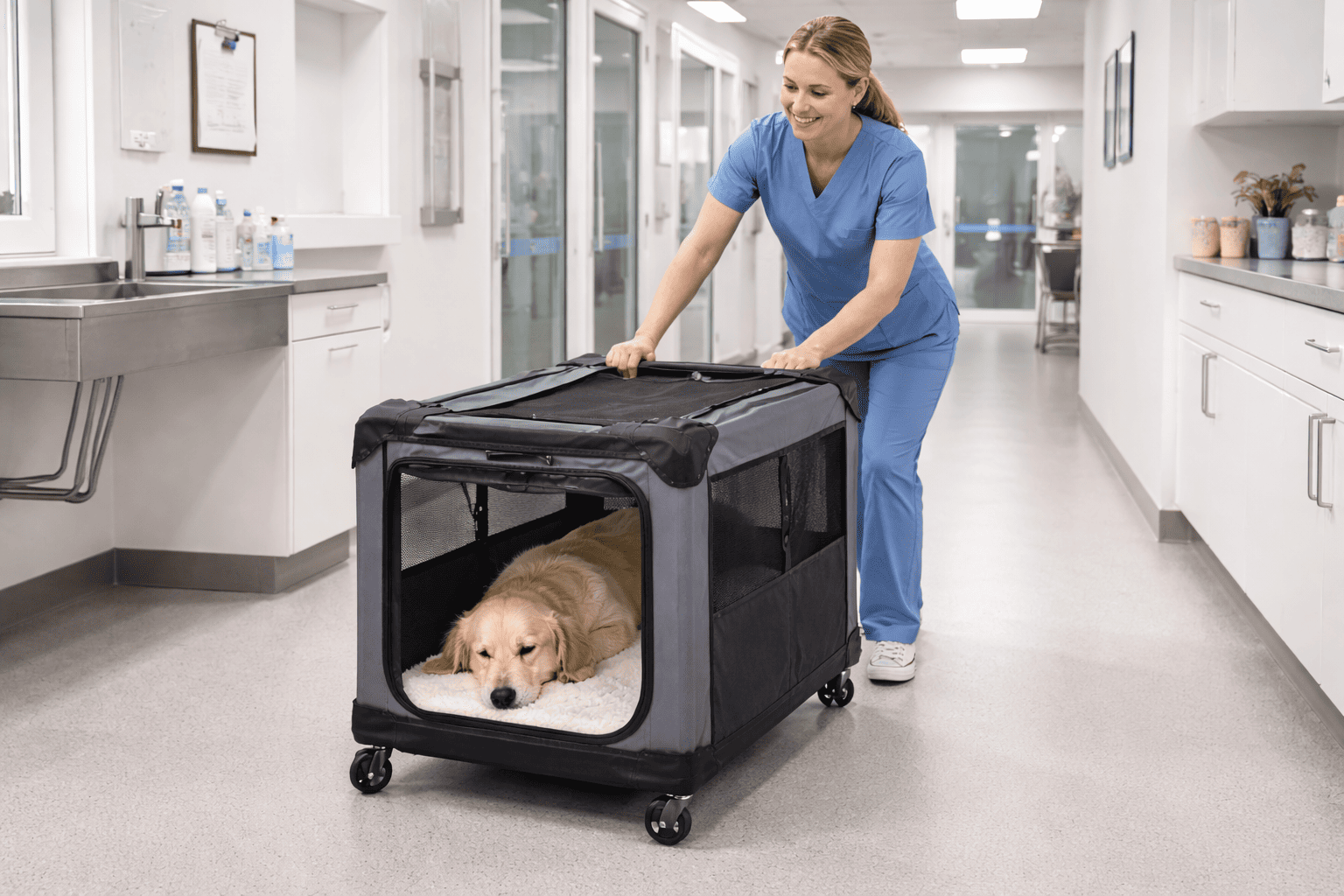
1. The Medical & Rehabilitation Pathway: This is arguably the most critical application. From the veterinary clinic to home care, stability is non-negotiable. A rolling crate allows the dog to be secured post-procedure and moved to the vehicle without being lifted out of the crate. At home, it enables the pet to be moved to different rooms for socialization while maintaining strict confinement. For resources on post-operative care, the Veterinary Partner library is an invaluable asset.
Checklist for the Frequent Traveler or Event Handler
✓ Airline Compliance: Verify exact size and ventilation requirements with your airline before purchase.
✓ Wheel Durability: Look for reinforced, rubberized wheels that can handle curbs and uneven surfaces.
✓ Ventilation Maximization: Opt for maximum mesh or airflow panels to prevent overheating.
✓ Security Features: Dual latches, and perhaps a built-in cable lock point for temporary securing in public.
✓ Ease of Cleaning: Removable, waterproof tray or liner is essential for accidents during travel.
✓ Ancillary Storage: Some models have pockets or compartments for leashes, papers, or small bowls.
2. The Competitive Arena: For the professional handler or serious hobbyist, a rolling crate is a piece of professional equipment. It enables a single person to manage several dogs efficiently. The ability to move a dog from a parked vehicle to a grooming station, then to a ring-side holding area, and back again—all without unloading the dog—conserves the animal’s energy and keeps it focused. The time and physical energy saved over a multi-day event are substantial.
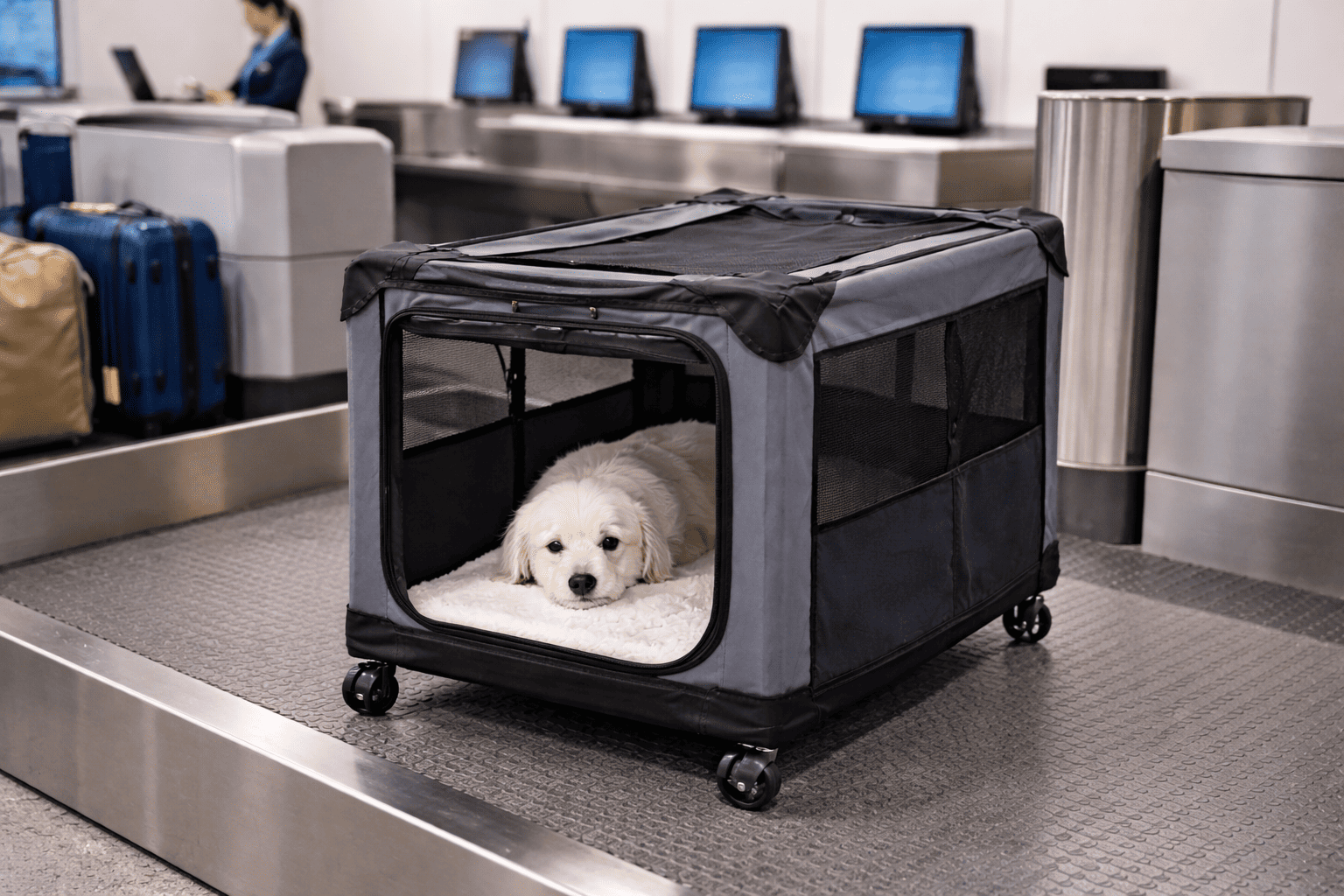
3. Integrated Travel Systems: Whether for cross-country moves, extended vacations, or regular flyers, the rolling crate becomes the hub of your pet’s travel experience. It functions as a secure bed in a hotel room, a safe space in a relative’s house, and a familiar enclosure during transport. This consistency is incredibly comforting for dogs in unfamiliar environments. For flying, it streamlines the entire process from check-in to baggage claim.
4. Inclusive Pet Ownership: This is a profoundly empowering tool for owners with disabilities, chronic pain, or age-related limitations. It dismantles a major physical barrier to independent pet care. Similarly, for owners of giant breed dogs, where the combined weight of dog and stationary crate can exceed safe lifting limits, a rolling system is the only practical way to provide full care and mobility.
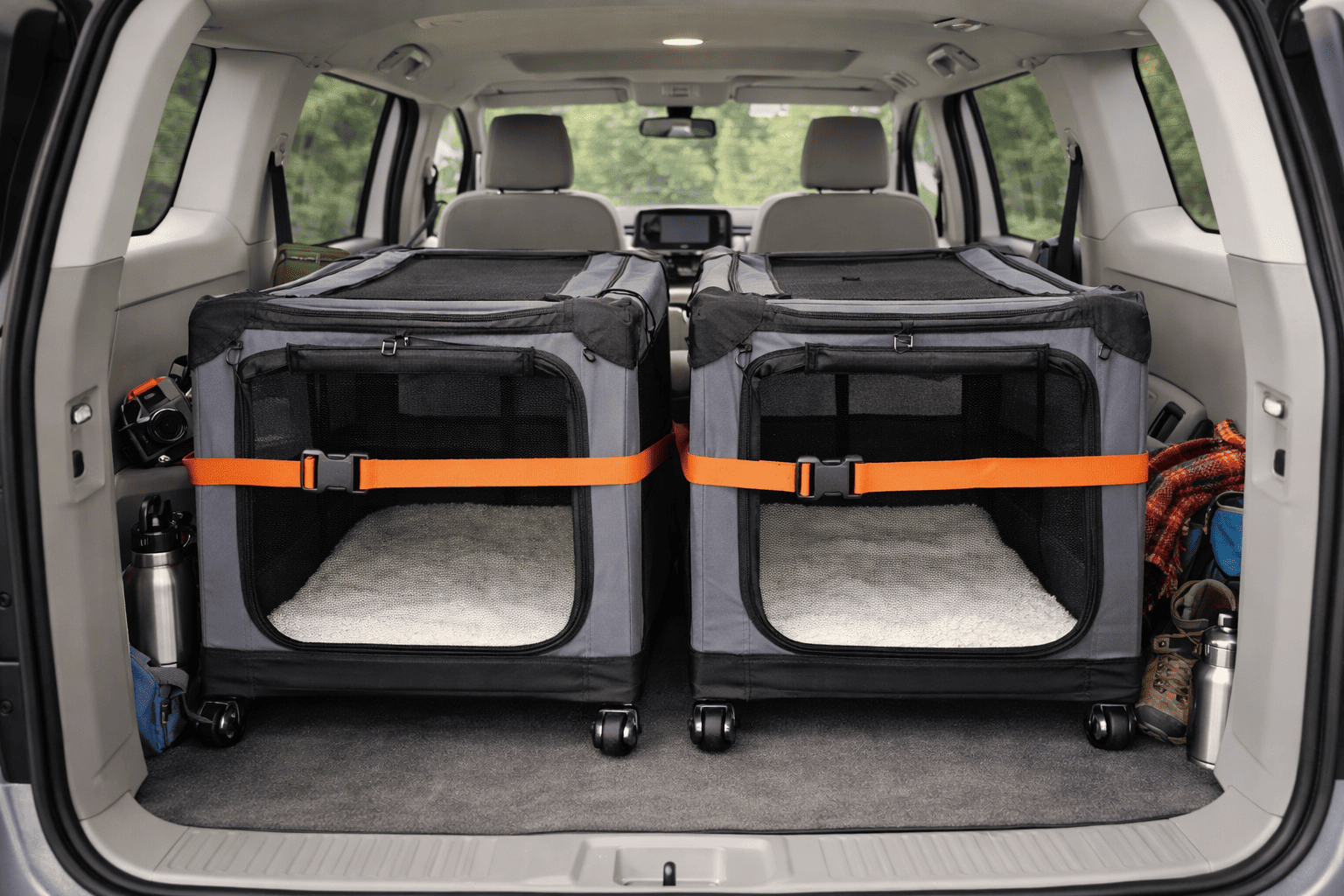
Final Verdict: Rolling with the Future of Pet Care
The rolling dog crate is more than a product; it’s a reflection of an evolving understanding of pet welfare—one that considers the well-being of the human at the other end of the leash just as seriously. It solves a tangible, often painful problem with elegant efficiency. While not every owner may need one, for those whose lives involve regular movement with their canine partners, it is a transformative investment. It replaces strain with ease, risk with safety, and anxiety with calm. In doing so, it removes barriers to experiences, care, and companionship, allowing you to focus on what truly matters: the journey you share with your dog.
For further research on selecting the right containment system for your specific needs, always consult authoritative sources like the ASPCA’s guide to crate training and care.
External Links Cited for Authority & Further Reading:
- International Air Transport Association (IATA): Traveler’s Pet Corner & Live Animal Regulations – The global standard for airline pet travel.
- American Kennel Club (AKC): Expert Advice on Traveling to Dog Shows – Practical guidance from the leading canine authority.
- Veterinary Partner (VIN): Comprehensive Pet Health Library – A trusted, veterinarian-authored resource for medical information.
- ASPCA: Crate Training Guide – Foundational advice on the responsible use of crates from a major animal welfare organization.