How to Conduct a Wire Dog Cage Factory Audit: A Step-by-Step Checklist
Wire dog cage factory audit failures cost B2B buyers thousands in quality disasters and supply chain disruptions. You selected what appeared to be a qualified manufacturer, only to receive inconsistent products that damaged your brand reputation and customer trust. Without proper factory evaluation, even competitive pricing masks underlying production weaknesses that surface after large-scale orders.
Conducting a systematic wire dog cage factory audit reveals manufacturing capabilities before financial commitments. Consequently, buyers who implement structured assessment frameworks avoid costly quality problems while building supplier relationships based on transparent performance verification.
The Cost of Skipping Factory Audits
✓ Hidden Risks
Inconsistent welding, poor coating, safety violations, delivery delays
✓ Financial Impact
Return costs, rework expenses, lost customers, legal liabilities
Why Wire Dog Cage Factory Audit Matters for B2B Buyers
Wire dog cage factory audit represents your first line of defense against supply chain failures. Manufacturing facilities that appear professional online often lack the quality systems required for consistent B2B production.
Chinese wire dog cage factories vary dramatically in capabilities, equipment sophistication, and quality control rigor. Visual appearances during video calls cannot reveal these critical differences. Consequently, on-site audits expose hidden weaknesses before order placement.
| Audit Value | Risk Prevention | Long-term Benefit |
|---|---|---|
| Verifies actual manufacturing capacity | Prevents overcommitment on volume | Ensures scalable supply partnership |
| Validates quality control systems | Avoids inconsistent product quality | Builds customer trust through consistency |
| Confirms regulatory compliance | Reduces legal liability risks | Protects brand reputation |

Understanding wire dog cage factory audit requirements transforms supplier selection from reputation-based guessing to data-driven decision making. Manufacturers who welcome thorough audits demonstrate confidence in their capabilities while exposing those hiding operational weaknesses.
For comprehensive guidance on wire dog cage fundamentals before factory visits, review our traditional crates guide. This foundational knowledge strengthens your factory evaluation framework.
Pre-Audit Preparation: Documents and Checklist
Effective wire dog cage factory audit requires thorough preparation before facility visits. Advance planning ensures productive time allocation and prevents missing critical evaluation areas.
Request specific documents before scheduling your factory visit. Suppliers resistant to providing basic documentation warrant immediate scrutiny. Document requests demonstrate serious buyer intent while filtering out unprepared manufacturers.
Essential Pre-Audit Document Checklist:
- Business license and company registration certificates
- ISO9001 quality management certification or equivalent
- Production capacity summary and current utilization
- Quality control procedure documents
- Material specifications and supplier list
- Client references and export history
- Safety and environmental compliance certificates
Analyze received documents for red flags before departure. Inconsistent information across documents warrants clarification during on-site verification. Prepare follow-up questions based on document gaps.
A well-structured wire dog cage factory audit checklist guides your observation without rigidly limiting discovery opportunities. Balance structured evaluation with flexibility to follow unexpected findings.
Assessing Manufacturing Capabilities and Equipment
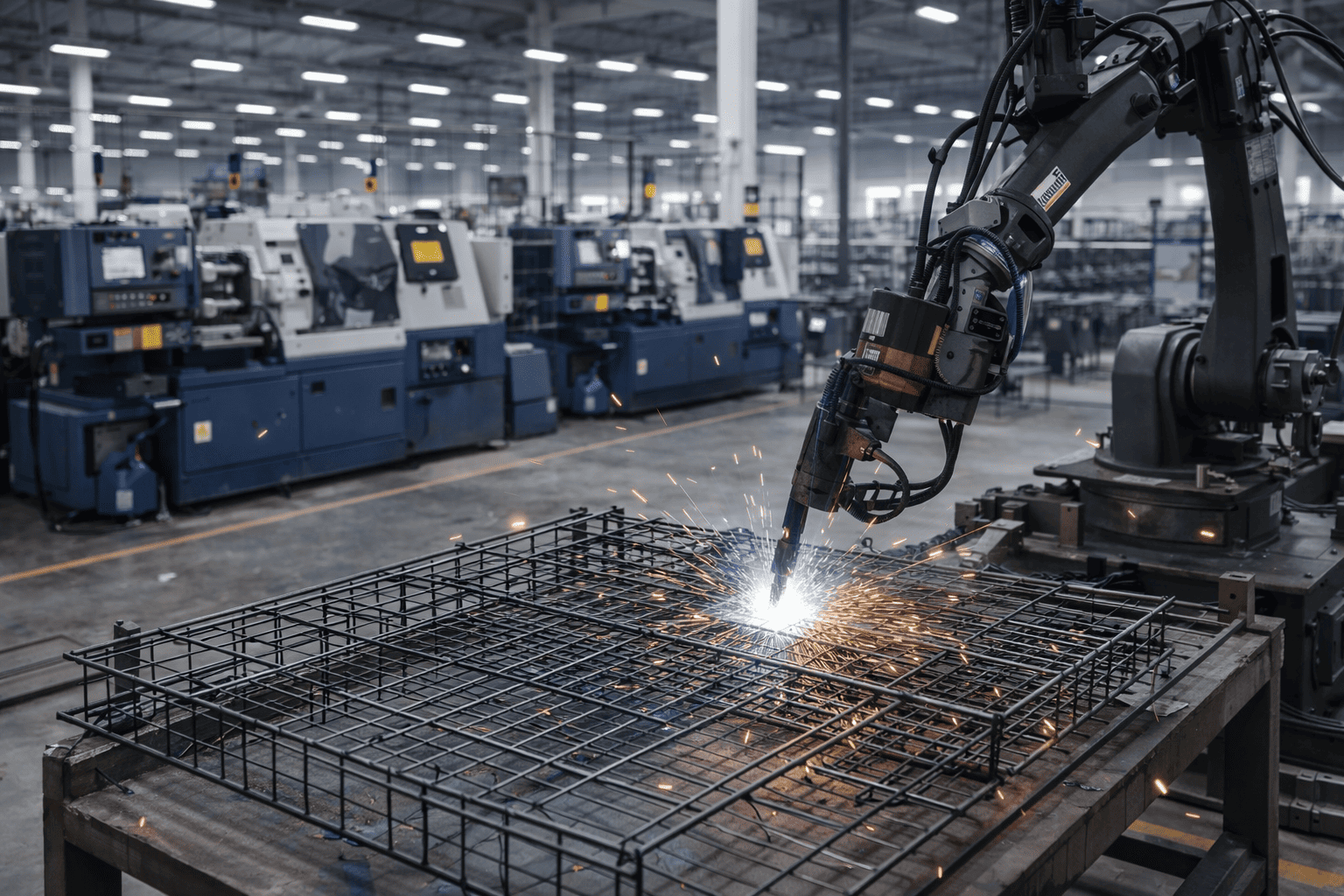
Manufacturing capability assessment forms the foundation of wire dog cage factory audit effectiveness. Visual inspection of equipment, production layout, and workflow reveals actual capacity beyond brochure claims.
Production Capacity Analysis
Evaluate actual production capabilities through direct observation of manufacturing lines. Active production lines demonstrate current workflow while idle machinery reveals true capacity headroom.
Request production schedule review to understand current utilization. Facilities operating near full capacity may struggle with urgent orders. Conversely, mostly empty production floors suggest weak market demand or quality problems.
Equipment Age and Maintenance
Equipment condition directly impacts wire dog cage manufacturing quality and consistency. Modern automated welding equipment produces superior joints compared to dated manual systems.
Examine equipment maintenance records. Well-maintained machinery with documented service history indicates professional quality culture. Conversely, neglected equipment suggests short-term cost cutting that compromises product quality.
| Equipment Type | Quality Indicator | Audit Focus |
|---|---|---|
| Wire welding machines | Consistent weld strength | Automation level, maintenance logs |
| Cutting equipment | Dimensional accuracy | Precision calibration, blade condition |
| Coating systems | Uniform surface treatment | Spray technology, thickness control |
Explore available standard wire crate programs to understand typical manufacturing equipment requirements. This knowledge strengthens your equipment evaluation during factory visits.
Quality Control Systems Inspection
Quality control systems distinguish reliable wire dog cage manufacturers from problematic suppliers. Without systematic QC processes, even capable equipment produces inconsistent output.
QC Personnel Qualifications
Quality control depends on trained personnel implementing consistent standards. Interview QC managers about their background, training programs, and decision authority.
Examine organizational structure to understand QC department independence. Quality functions reporting directly to production managers create inherent conflicts of interest. Independent QC departments with reporting access to senior management demonstrate commitment to quality over production speed.
Testing Equipment Availability
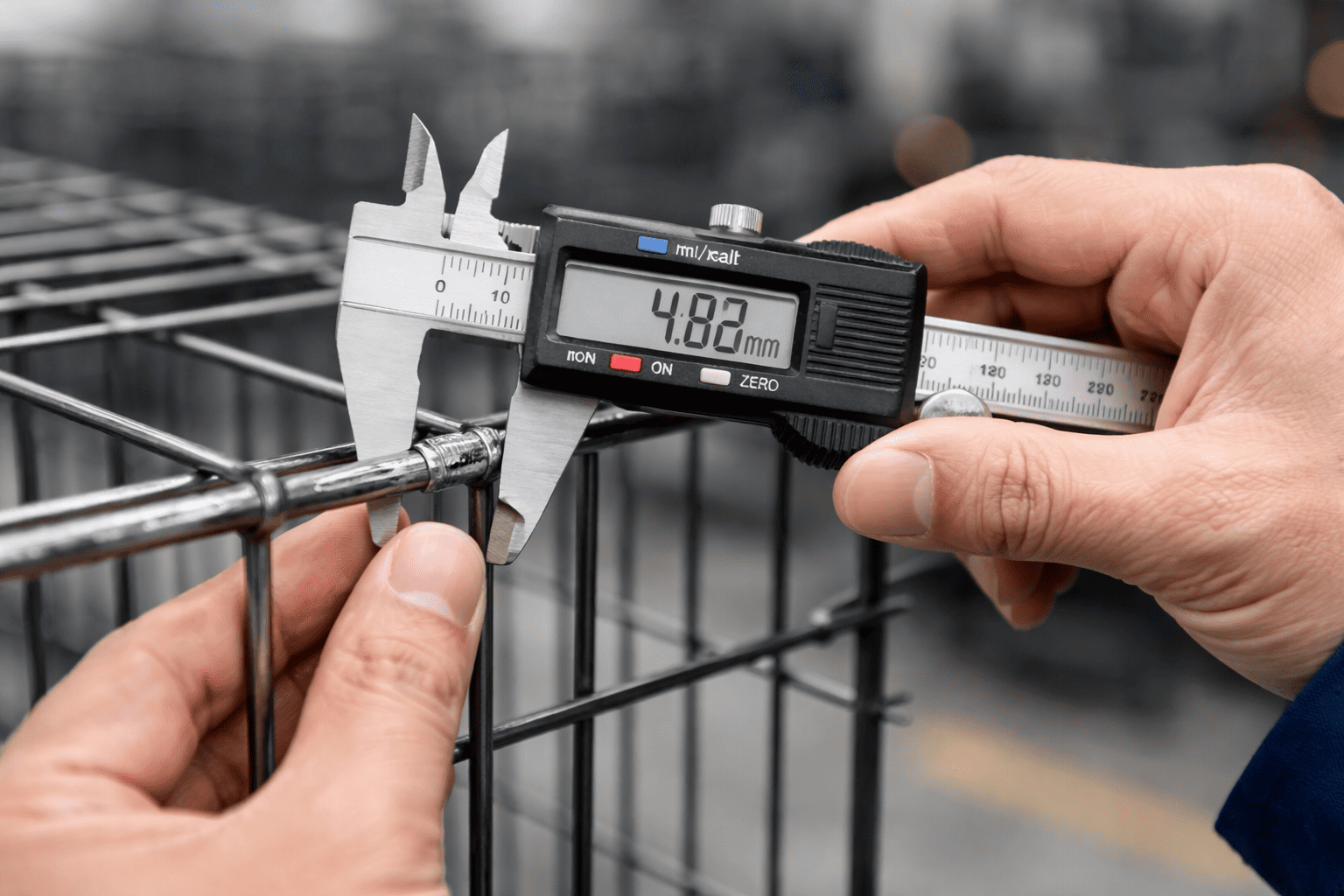
Verify presence and calibration of quality testing equipment appropriate for wire dog cage production. Basic testing capabilities include weld strength testers, coating thickness gauges, and dimensional measurement tools.
For comprehensive quality testing procedures, review our 15-point inspection checklist covering structural integrity, material durability, and safety verification.
Check equipment calibration certificates and maintenance records. Outdated or uncalibrated testing equipment produces misleading quality data. Professional manufacturers maintain current calibration certificates for all quality measurement devices.
QC Process Verification Steps
- Observe incoming material inspection procedures
- Witness in-process quality checks during production
- Review final product testing protocols
- Examine defect tracking and corrective action records
- Assess customer complaint handling processes
Critical Finding: Absence of documented QC processes indicates unprofessional manufacturing approach regardless of equipment quality.
Quality control systems must extend beyond simple product inspection to encompass process control, documentation, and continuous improvement.
Wire Dog Cage Production Process Audit
Production process audit reveals operational realities that capability assessments miss. Understanding how wire dog cages progress from raw materials to finished products exposes process weaknesses affecting quality.
Welding Quality Standards
Welding quality represents the most critical factor in wire dog cage structural integrity. Inconsistent welds cause cages to fail during normal use, creating safety hazards and liability.
Observe welding operations to assess technique consistency. Examine weld joints on finished products for uniformity, proper penetration, and absence of defects. Request demonstration of weld strength testing procedures.

Zinc Plating Process
Zinc plating provides corrosion resistance essential for outdoor wire dog cages. Process variations in plating dramatically affect product lifespan and safety.
Request facility tour of plating area if completed in-house. Verify proper pre-treatment cleaning, solution maintenance, and post-plating rinsing. Outsource plating requires review of supplier quality agreements.
Check coating thickness testing equipment and records. Consistent zinc coating thickness within specified parameters ensures predictable corrosion protection across production batches.
Assembly Line Inspection
Assembly operations determine final product functionality and safety. Wire dog cage assembly processes include door installation, latch mechanisms, and packaging preparation.
Observe assembly line workers following standard operating procedures. Informal assembly methods suggest quality variability. Documented work instructions with visual standards demonstrate professional manufacturing approach.
Refer to our sample evaluation framework to align production process audits with your quality expectations from sample verification.
Safety Standards and Regulatory Compliance Check
Safety and regulatory compliance represents non-negotiable requirements for wire dog cage manufacturers. International markets demand specific standards that prevent legal entry barriers and product recalls.
Pet Safety Requirements
Pet safety standards focus on preventing injuries during normal cage use. Wire spacing, sharp edges, and secure door mechanisms represent critical safety evaluation points.
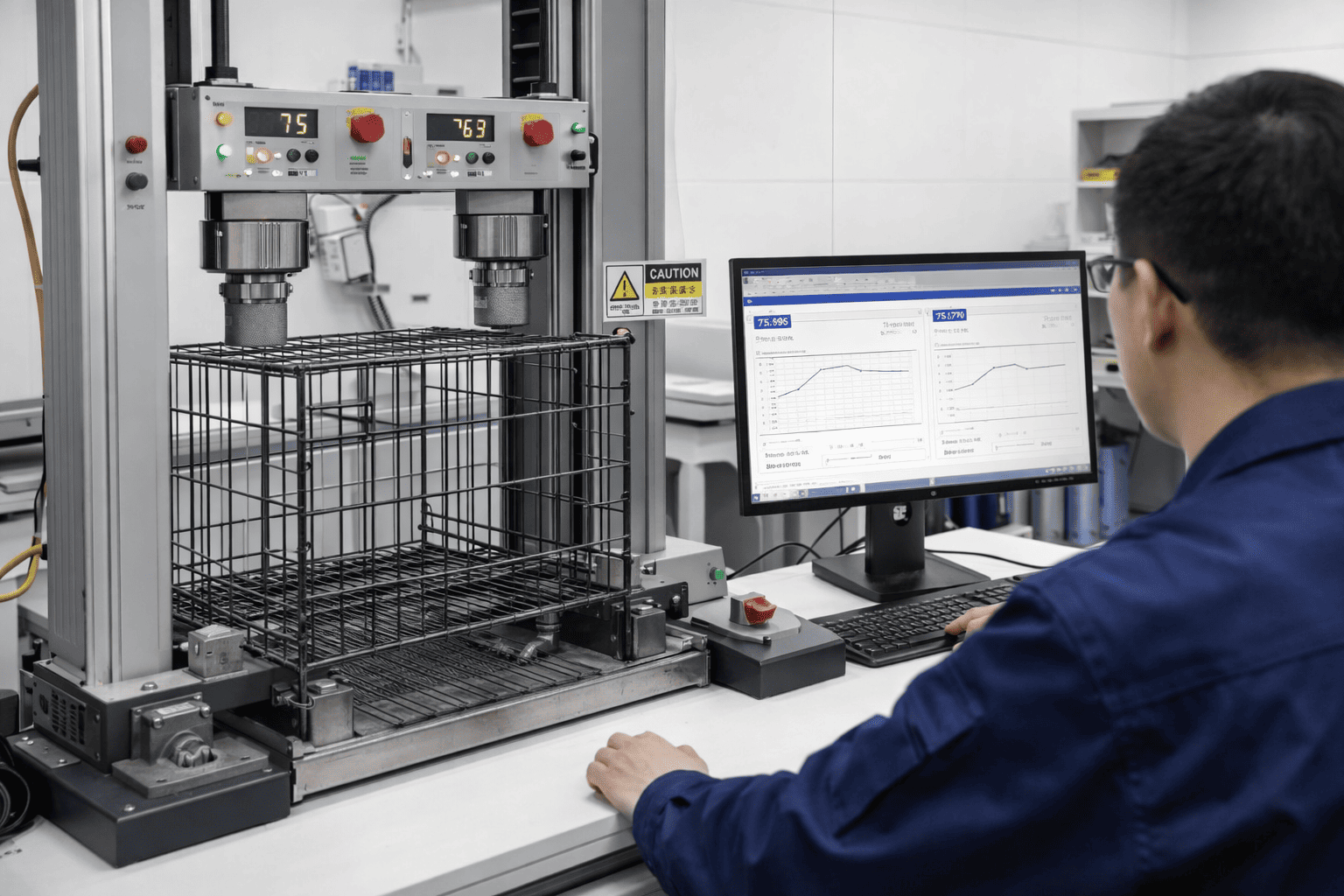
Request testing protocols for safety features. Manufacturers conducting drop tests, claw entrapment assessments, and latch security testing demonstrate safety commitment beyond basic compliance.
International Certification Verification
Verify claimed certifications through direct examination of certificates and validity confirmation with issuing bodies. Common certifications include ISO9001 for quality management and region-specific safety standards.
Request recent audit reports from certification bodies. Manufacturers maintaining certification status through periodic external audits demonstrate sustained quality commitment versus one-time certification achievement.
Critical Safety Audit Checklist:
- Wire spacing prevents paw entrapment
- Sharp edges removed through post-processing
- Door latches withstand pet force
- Coating materials are non-toxic
- Structural integrity meets load requirements
- Folding mechanisms operate smoothly without pinching
Safety compliance documentation must extend beyond certificates to include actual testing records demonstrating ongoing verification.
Material and Supply Chain Management Review
Material quality determines wire dog cage product performance regardless of manufacturing capabilities. Supplier evaluation requires assessment of raw material sourcing and inventory management practices.
Raw Material Quality Control
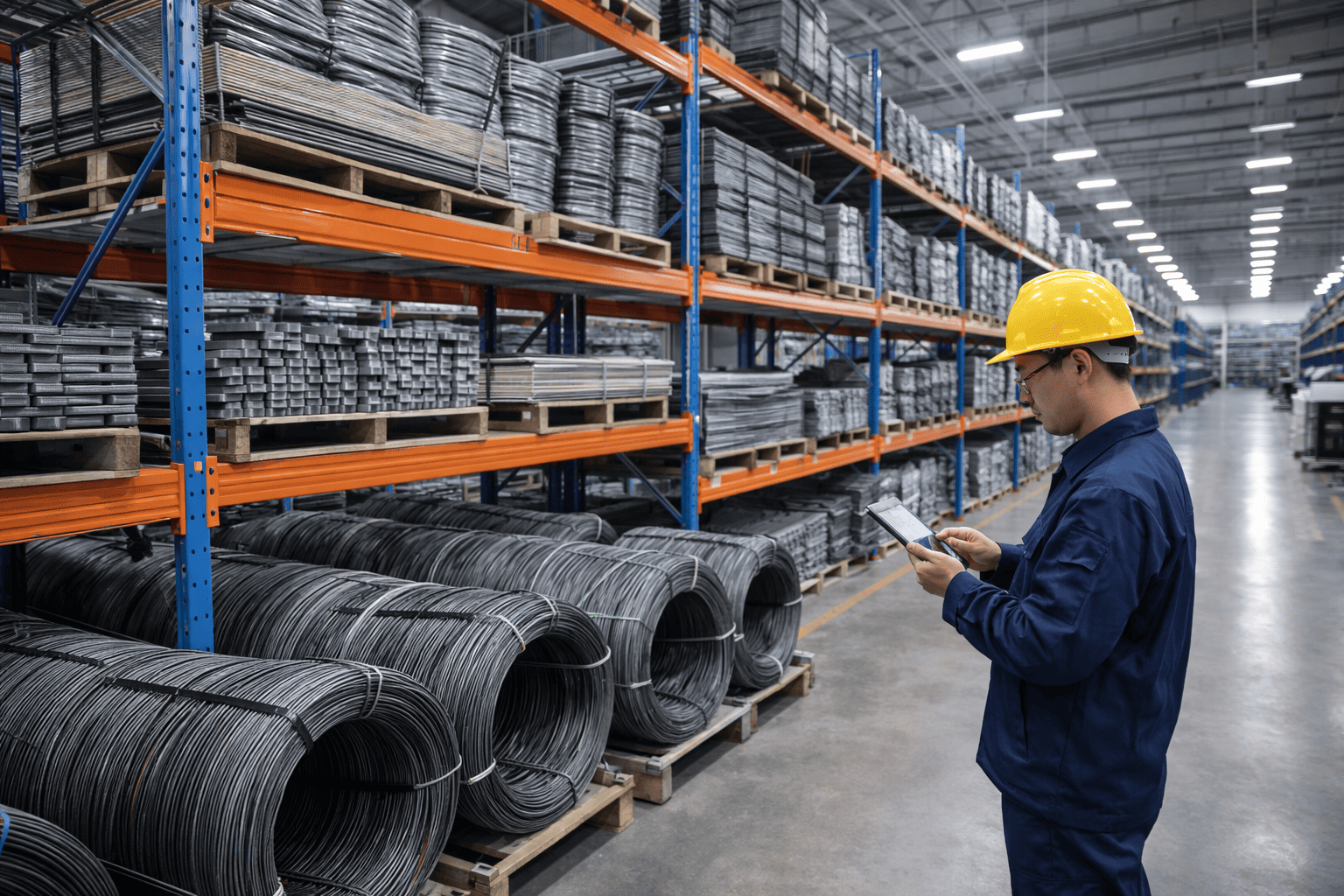
Wire gauge consistency and steel grade impact final product strength and durability. Request material specifications for all wire types used in production.
Verify incoming material inspection procedures. Reliable manufacturers test wire tensile strength, coating thickness, and dimensional consistency before production begins.
Supplier Qualification and Traceability
Material supplier qualification affects product consistency. Ask about primary material suppliers and their qualification criteria.
Material traceability enables problem identification when defects occur. Manufacturers maintaining batch records linking finished products to specific material lots demonstrate quality accountability versus cost-cutting indifference.
| Supply Chain Element | Audit Verification Method | Quality Impact |
|---|---|---|
| Material supplier certification | Certificate review, supplier verification calls | Prevents substandard material usage |
| Inventory management system | Warehouse observation, FIFO procedure review | Ensures material freshness and consistency |
| Material testing records | IQC procedures, test result review | Catches material defects before production |
Supply chain transparency indicates manufacturer confidence in material quality versus hiding cost-cutting compromises.
Post-Audit Evaluation and Decision Framework
Wire dog cage factory audit value emerges from systematic evaluation of findings rather than simple pass-fail judgments. Structured decision frameworks transform observations into actionable supplier selection criteria.
Scoring System
Develop weighted scoring categories based on your business priorities. Manufacturing capability, quality systems, safety compliance, and supply chain management receive different emphasis depending on product requirements.
Score each category based on documented evidence rather than subjective impressions. Consistent scoring across multiple suppliers enables objective comparison and defensible decisions.

Sample Scoring Framework
| Category | Weight | Score Range |
|---|---|---|
| Manufacturing Capability | 30% | 0-30 points |
| Quality Control Systems | 25% | 0-25 points |
| Safety & Compliance | 25% | 0-25 points |
| Supply Chain Management | 20% | 0-20 points |
| Total | 100% | 0-100 points |
Red Flag Identification
Certain wire dog cage factory audit findings represent immediate disqualifying red flags regardless of positive attributes. Document these deal-breakers for clear supplier rejection.
Next Steps Recommendations
Wire dog cage factory audit findings translate into specific action steps based on overall assessment scores. High-scoring facilities merit immediate collaboration while marginal scores require conditional approval with improvement plans.
Document audit findings in written reports shared with factory management. Request response to identified issues and proposed remediation timelines. Suppliers accepting feedback constructively demonstrate partnership potential versus defensive resistance. Sample vs production consistency verification ensures factory capabilities extend beyond sample quality to bulk production reliability.
Ready to proceed with wire dog cage sourcing after factory audit? Contact us through our inquiry page to discuss your specific requirements. We welcome comprehensive factory audits from serious buyers.
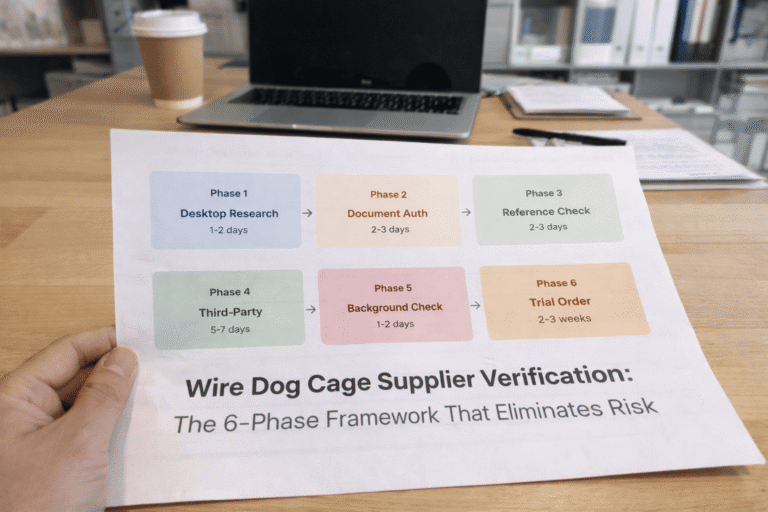
Beyond factory audits, identifying potential supplier red flags early in the selection process is equally critical. Our comprehensive guide on 7 red flags when selecting a wire dog cage supplier helps you recognize warning signs before investing time and resources in factory visits. Additionally, for a complete 6-phase supplier verification framework that includes factory audits as one component, explore our wire dog cage supplier verification process covering desktop research, document authentication, reference checks, third-party verification, background analysis, and trial order validation.
Explore our homepage to learn why Cagesilo specializes exclusively in wire dog cage manufacturing. Our focus ensures deep product expertise and consistent quality for B2B buyers.
Conclusion
Wire dog cage factory audit represents your most powerful tool for supplier selection risk mitigation. Systematic evaluation of manufacturing capabilities, quality systems, safety compliance, and supply chain management reveals operational realities hidden during initial sales interactions.
Buyers who skip factory audits save short-term travel expenses but incur exponential costs through quality disasters, supply disruptions, and brand damage. Conversely, thorough audits create sustainable competitive advantages through informed supplier partnerships.
Your wire dog cage sourcing success depends on manufacturer selection decisions made during factory visits. For a systematic approach to selecting manufacturers before conducting audits, refer to our comprehensive guide on choosing wire dog cage manufacturers. Implementing this step-by-step audit checklist transforms supplier evaluation from intuition-based guessing to data-driven strategic decisions.
Visit our blog insights for more comprehensive guidance on wire dog cage sourcing, quality evaluation, and supply chain management. Build your sourcing expertise through our expert resources designed for B2B buyers.
Wire dog cage factory audit isn’t optional due diligence—it’s essential risk management protecting your business investments and customer relationships.
Frequently Asked Questions
Click questions below to view answers
How long does a wire dog cage factory audit typically take?
Factory audits typically require one to two full days for comprehensive evaluation. Preparation time including document review and checklist creation should add another one to two days before the visit. Report writing and score calculation requires one additional day after the visit.
What are the most important criteria to evaluate during a factory audit?
The most critical criteria include manufacturing capacity and equipment quality, quality control systems and personnel qualifications, production process consistency, safety standards and regulatory compliance, and supply chain management practices. Manufacturing capability and quality systems typically deserve highest weighting due to their direct impact on product quality and consistency.
Can I conduct a wire dog cage factory audit remotely?
Remote audits through video calls provide limited value compared to on-site visits. Virtual audits can verify basic facility existence and equipment visibility but cannot assess production processes, quality procedures, or employee competence. On-site audits remain essential for thorough supplier evaluation despite travel costs.
What documents should I request before scheduling a factory audit?
Essential pre-audit documents include business license and registration certificates, quality management system certifications such as ISO9001, production capacity summaries, quality control procedure documents, material specifications and supplier lists, client references and export history, and safety and environmental compliance certificates.
How do I know if a wire dog cage factory is hiding quality problems?
Red flags indicating hidden quality problems include refusal to provide basic documentation, falsified or expired certifications, absence of quality records despite production claims, substituting materials without notice, resistance to quality improvement requests, vague responses to specific quality questions, and excessive visible production defects during facility tours.
What score should I require to approve a wire dog cage manufacturer?
Minimum acceptable scores depend on your business priorities and risk tolerance. Generally, manufacturers scoring above 80 points out of 100 demonstrate acceptable capability. Scores between 70-80 points may qualify for conditional approval with specific improvement requirements. Scores below 70 points typically warrant rejection regardless of pricing advantages.
Related Resources
For a complete understanding of manufacturing costs, review our wire dog cage pricing guide to evaluate whether a manufacturer’s pricing breakdown is reasonable and competitive.
External References
External References: GQC – Factory Audits & Supplier Evaluation | Factory Capability Assessment – Baidu Encyclopedia | CPV Manufacturing – Quality Control Audit Guide