Wire Dog Cage Sample Negotiation Psychology: 7 Principles for Win-Win Outcomes with Chinese Suppliers
Wire dog cage sample negotiation failures cost B2B buyers thousands in lost opportunities and damaged relationships. You approached the negotiation logically, presented clear requirements, and expected straightforward results. Instead, you encountered vague responses, shifting timelines, and unexpected costs that derailed your sourcing timeline.
Understanding wire dog cage sample negotiation psychology transforms adversarial haggling into collaborative problem-solving. Consequently, buyers who master these psychological principles secure better terms while building lasting supplier partnerships. This guide reveals seven evidence-based principles for negotiating with Chinese suppliers without damaging the relationships your business depends on.
The Hidden Cost of Negotiation Failures
✓ Common Failures
Price-focused demands, aggressive deadlines, ultimatum-based approaches
✓ Real Consequences
Delayed samples, hidden costs, poor quality, relationship damage
The Psychology Behind Sample Negotiation Failures
Wire dog cage sample negotiation involves complex psychological dynamics that Western buyers often misunderstand. Chinese business culture prioritizes relationship harmony and mutual respect over transactional efficiency.
Consequently, direct confrontation triggers defensive responses rather than cooperation. Understanding these cultural psychology foundations prevents costly miscommunications before they damage supplier relationships.
| Western Approach | Chinese Expectation | Result |
|---|---|---|
| Direct price demands | Relationship building first | Defensive positioning |
| Immediate deadlines | Flexible timelines | Quality compromises |
| Individual decision focus | Group consensus process | Delayed responses |

Principle 1: Build Relationship Before Discussing Price
Wire dog cage sample negotiation success begins with relationship investment before commercial discussions. Chinese suppliers prioritize trust and mutual understanding over immediate transactions.
Opening conversations with price demands signals transactional thinking that undermines long-term partnership potential. Instead, begin with genuine interest in their manufacturing capabilities, quality standards, and business philosophy.
Opening Script Example:
“We’ve researched your company’s manufacturing standards and are impressed by your quality certifications. Before discussing specific requirements, we’d like to understand your approach to wire cage production and what makes your products stand out in the market.”
This approach demonstrates respect for their expertise and establishes collaborative foundations. Furthermore, relationship investment creates reciprocal obligations that improve negotiation outcomes.
Principle 2: Frame Requests as Mutual Benefits
Effective wire dog cage sample negotiation positions requests as shared advantages rather than zero-sum demands. Suppliers respond positively when proposals benefit both parties.
Frame sample requests around long-term partnership potential, quality verification needs, and mutual risk reduction. Consequently, suppliers view sample investments as relationship building rather than cost burdens.
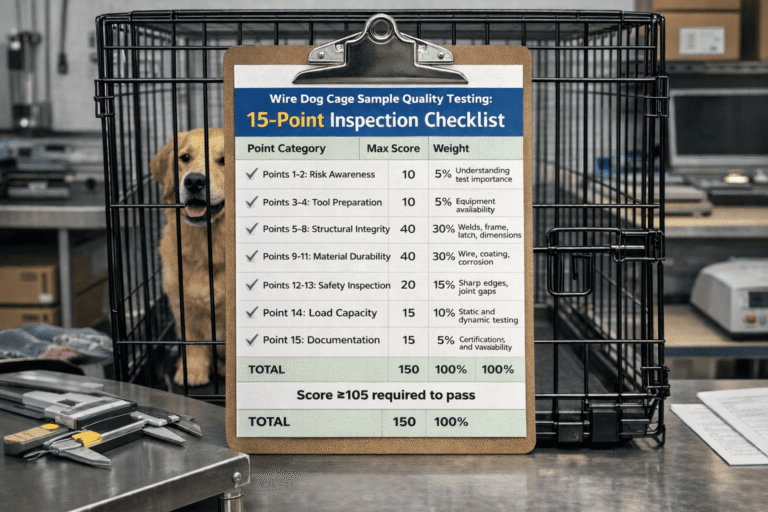
For detailed guidance on sample quality requirements, refer to our 15-point quality inspection checklist. Understanding quality standards strengthens your mutual benefit positioning.
Principle 3: Use Silence Strategically
Strategic silence represents one of the most powerful wire dog cage sample negotiation psychology tools. Western negotiators often fill conversational gaps with concessions or clarifications.
Chinese negotiation culture interprets silence differently. Pauses indicate thoughtful consideration rather than discomfort. Consequently, strategic silence creates psychological pressure that often produces better offers.
| Silence Timing | Psychological Effect | Expected Response |
|---|---|---|
| After price quote | Signals consideration/disappointment | Improved offer or justification |
| After deadline request | Implies timeline concerns | Expedited options or alternatives |
| After quality requirements | Suggests standard mismatch | Clarification or capability discussion |
Principle 4: Present Options, Not Ultimatums
Wire dog cage sample negotiation success increases dramatically when buyers present multiple acceptable options rather than single demands. Choice architecture reduces defensive reactions.
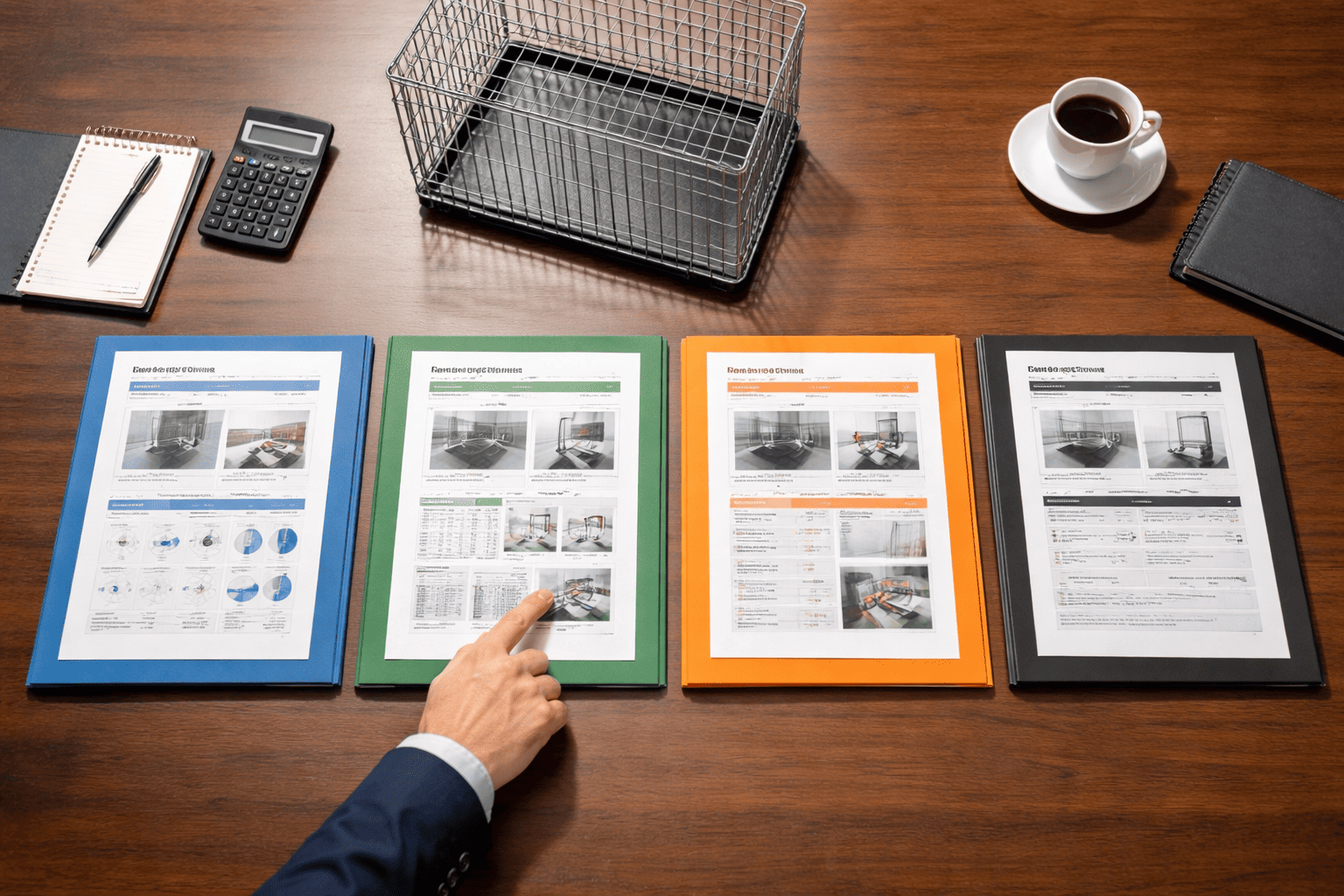
Instead of demanding “free samples by Friday,” present structured alternatives. This approach respects supplier autonomy while maintaining your requirements.
Option Framework Example
- Option A: Free standard samples (7-10 days) with basic specifications
- Option B: Customized samples with 50% fee (5-7 days) including your specific requirements
- Option C: Full customization with 100% fee (3-5 days) plus video documentation
Psychological Advantage: Suppliers feel control over the decision while you define acceptable parameters.
Understanding sample fee structures and ROI helps you design realistic option frameworks that protect your interests.
Principle 5: Acknowledge Their Constraints
Effective negotiators recognize supplier limitations before making demands. Wire dog cage sample negotiation improves when buyers demonstrate understanding of manufacturing realities.
Suppliers face genuine constraints including material lead times, production scheduling, quality control requirements, and cash flow considerations. Acknowledging these constraints builds goodwill and enables collaborative problem-solving.
Constraint Acknowledgment Script:
“We understand that custom samples require additional setup time and material costs. Rather than rushing the process, we’d like to discuss how we can structure this to work within your production schedule while meeting our timeline needs.”
This approach transforms potential conflicts into collaborative challenges. Furthermore, constraint acknowledgment often reveals flexible solutions suppliers wouldn’t propose under pressure.
Principle 6: Create Scarcity Without Threats
Scarcity psychology drives urgency without damaging relationships. Wire dog cage sample negotiation benefits from time-sensitive framing that doesn’t appear threatening.

Instead of threatening to “find another supplier,” frame decisions around your business realities. Mentioning competitive evaluations creates natural scarcity without personal confrontation.
| Threatening Approach | Scarcity-Based Approach | Psychological Difference |
|---|---|---|
| “Lower your price or we’ll go elsewhere” | “Our budget requires us to evaluate multiple options by month-end” | External constraint vs. ultimatum |
| “We need samples immediately” | “Our product launch timeline creates natural deadlines” | Business reality vs. demand |
| “Match this competitor’s price” | “We’re comparing value propositions from several qualified suppliers” | Evaluation process vs. comparison |
Principle 7: Secure Commitment Through Written Summaries
Verbal agreements in wire dog cage sample negotiation often lead to misunderstandings. Written summaries create clarity and psychological commitment.
Following each conversation, send detailed email summaries documenting agreements, timelines, and next steps. This practice prevents miscommunication while creating accountability.
Summary Email Template:
Subject: Summary – Wire Dog Cage Sample Discussion [Date]
Dear [Supplier Name],
Thank you for our productive discussion today. To ensure alignment, please confirm the following summary:
- Sample specifications: [Details]
- Timeline: [Delivery date]
- Cost structure: [Fee details]
- Next steps: [Actions required]
Please confirm or clarify by [Date].
For comprehensive guidance on sample-to-production consistency, review our sample vs production analysis. Clear documentation at the sample stage prevents costly production issues.
Common Negotiation Mistakes to Avoid
Even experienced buyers make costly errors in wire dog cage sample negotiation. Understanding common pitfalls prevents relationship damage and improves outcomes.
Avoiding these mistakes requires self-awareness and cultural understanding. Furthermore, learning from successful negotiations builds expertise that compounds over time.
Sample Negotiation Script Examples
Practical scripts demonstrate wire dog cage sample negotiation psychology principles in action. Adapt these templates to your specific situations.

Scenario 1: Requesting Free Samples
Opening: “We’ve reviewed your capabilities and believe there’s strong potential for a long-term partnership. Before proceeding with a substantial order, we need to verify quality alignment through samples.”
Framing: “We’re evaluating several suppliers for this program. Quality-approved samples would position you favorably for our initial 500-unit order.”
Options: “We could proceed with standard samples at no cost with 10-day delivery, or expedited customized samples with shared costs and 5-day delivery. Which approach works better for your current schedule?”
Scenario 2: Negotiating Sample Timeline
Acknowledgment: “We understand quality samples require proper production time. Our challenge is coordinating with our product launch schedule.”
Collaboration: “Rather than compromising quality, could we explore partial delivery? Perhaps preliminary photos in 5 days, followed by physical samples?”
Commitment: “If we can align on timeline, we’re prepared to move forward with the full production order immediately upon sample approval.”
Scenario 3: Addressing Quality Concerns
Relationship: “We value the relationship we’ve built and want to ensure mutual success on this program.”
Specifics: “Our market requires specific coating thickness and weld standards. Can you confirm your capability to meet these specifications consistently?”
Verification: “Would you be open to a video call showing your quality control process? This would give us confidence before finalizing the sample order.”
Ready to implement these negotiation strategies? Contact us through our inquiry page to discuss your specific wire dog cage sourcing needs.
Conclusion
Wire dog cage sample negotiation psychology transforms transactional haggling into strategic relationship building. The seven principles—relationship-first approach, mutual benefit framing, strategic silence, option presentation, constraint acknowledgment, scarcity creation, and written commitment—create sustainable competitive advantages.
Mastering these psychological principles requires practice and cultural sensitivity. However, buyers who invest in understanding supplier perspectives consistently achieve better terms, faster timelines, and stronger partnerships.
Your negotiation approach directly impacts sample quality, production consistency, and long-term supplier relationships. Implementing these evidence-based strategies positions your business for successful wire dog cage sourcing outcomes.
Understanding wire dog cage sample negotiation psychology isn’t manipulation—it’s creating mutual value through better communication. When both parties feel respected and understood, negotiations produce superior results for everyone involved.
Frequently Asked Questions
How do I negotiate wire dog cage samples without damaging supplier relationships?
Focus on relationship building before price discussions, frame requests as mutual benefits, use strategic silence instead of aggressive demands, and acknowledge supplier constraints. Present options rather than ultimatums, and always follow up with written summaries to prevent misunderstandings.
What psychological tactics work best with Chinese suppliers?
Chinese suppliers respond best to relationship-focused approaches that demonstrate long-term partnership potential. Building guanxi (relationship connections), showing respect for their expertise, using indirect communication, and creating win-win scenarios prove more effective than aggressive Western negotiation styles.
Why do wire dog cage sample negotiations fail?
Negotiations typically fail due to price-only focus, aggressive deadlines that compromise quality, cultural misunderstandings, lack of preparation, and ultimatum-based approaches that trigger defensive responses. Successful negotiations require understanding supplier psychology and building collaborative relationships.
How can I create urgency without threatening suppliers?
Frame urgency around your business realities rather than demands. Mention competitive evaluations, product launch timelines, or budget cycles as natural constraints. This creates scarcity psychology without personal confrontation or relationship damage.
What should I include in post-negotiation summary emails?
Include specific sample specifications, agreed timelines, cost structures, quality requirements, and next steps. Request confirmation or clarification by a specific date. Written summaries prevent miscommunication and create accountability for both parties.
External References
External References: QualityInspection.org – Negotiating With Chinese Suppliers | Harvard Business Review – Negotiation Psychology | China Business Review