7 Hidden Costs of Wire Dog Cage Importing and How to Avoid Them
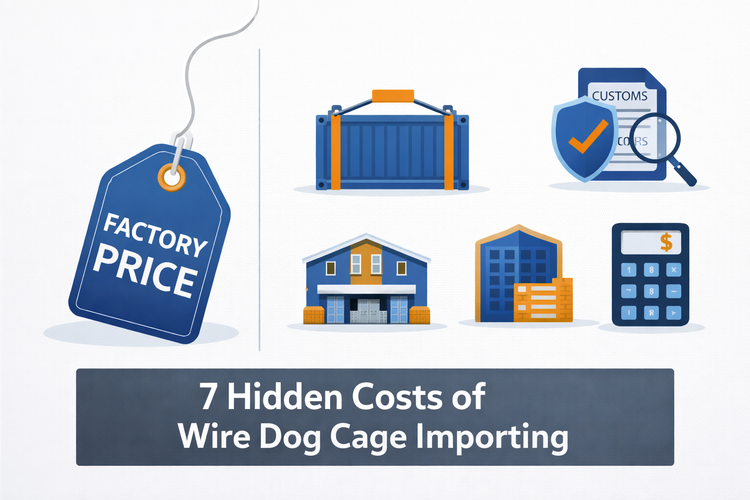
Wire dog cage hidden costs can significantly increase your total landed price by 20-30% beyond the quoted manufacturing price. Understanding these hidden costs before placing orders helps B2B buyers accurately budget and avoid unexpected profit margin erosion. Many importers focus solely on the factory quote, overlooking critical expenses that accumulate throughout the supply chain journey.
This comprehensive breakdown reveals seven major hidden costs in wire dog cage importing, providing calculation methods and practical avoidance strategies for DTC brands, Amazon sellers, and wholesale distributors. Proactive cost management starts with identifying these hidden expenses during the initial negotiation phase.
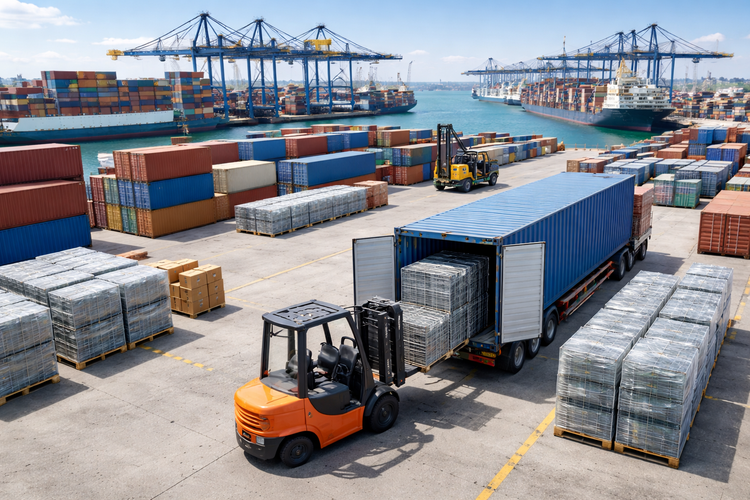
Cost #1: Shipping and Logistics Fees
Shipping costs represent the most substantial hidden expense in wire dog cage importing. Wire cages are bulky items with high volumetric weight, meaning ocean freight charges are calculated based on volume rather than actual weight.
| Shipping Method | Cost Range (per 20ft container) | Transit Time | Best For |
|---|---|---|---|
| Ocean Freight (FCL) | $1,200 – $3,500 | 20-35 days | Large orders (500+ units) |
| Ocean Freight (LCL) | $40 – $80 per CBM | 25-40 days | Small to medium orders |
| Air Freight | $3 – $5 per kg | 5-10 days | Urgent small orders |
Additional logistics expenses include inland trucking charges from factory to port ($300-$800), port handling fees ($100-$300), and destination drayage fees ($500-$1,000). Wire dog cage MOQ solutions can help optimize shipping quantities and reduce per-unit freight costs.
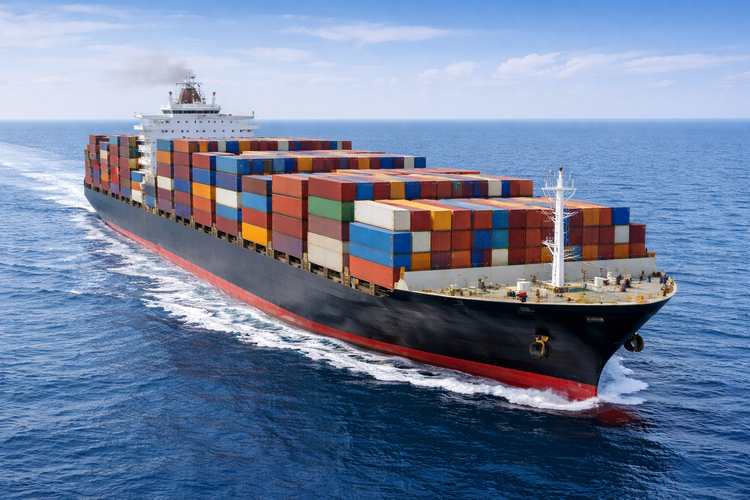
💡 Pro Tip
Consolidate shipments whenever possible to achieve full container loads. A 20ft container typically holds 400-600 wire dog cages depending on size, reducing per-unit shipping costs by 40-60% compared to LCL shipments.
Cost #2: Customs Duties and Import Taxes
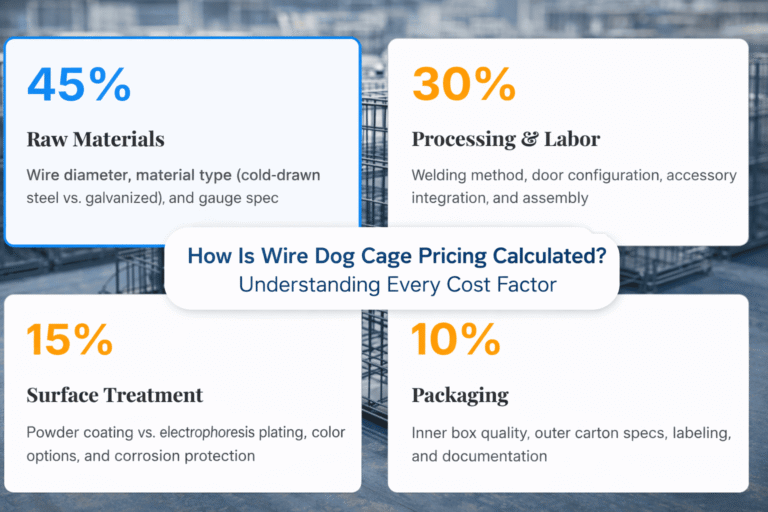
Customs duties and import taxes vary significantly by destination country. Wire dog cages typically fall under HS Code 7326.90.90 in most countries, attracting duty rates ranging from 2.5% to 10% of the CIF value. Understanding wire dog cage pricing structures helps buyers calculate accurate landed costs including duties and taxes. For buyers managing high MOQ requirements, flexible MOQ strategies can help optimize shipping quantities and reduce per-unit customs costs.
🇺🇸 United States
Duty Rate: 2.5%
Merchandise Processing Fee (MPF): 0.3464%
Harbor Maintenance Fee: 0.125%
Total Import Cost: ~3% of CIF value
🇪🇺 European Union
Duty Rate: 2.7%
VAT: 19-25% (by country)
Customs Clearance: €50-€150
Total Import Cost: 22-28% of CIF value
Additional customs-related expenses include broker fees ($150-$400 per shipment), documentation charges ($50-$150), and potential antidumping duties (verify with U.S. Trade Representative for current rates on Chinese metal products).
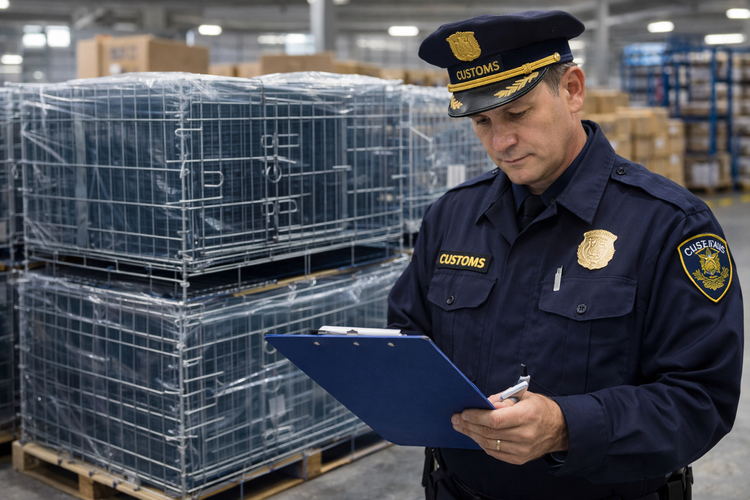
Important: Always verify the correct HS code with your customs broker. Incorrect classification can lead to penalties ranging from 2-10 times the correct duty amount plus potential shipment delays.
Cost #3: Quality Control and Inspection Expenses
Quality control costs are often overlooked but critical for avoiding expensive returns and reputation damage. Wire dog cage inspection expenses include pre-shipment inspection ($300-$800), third-party quality testing ($500-$1,500), and on-site factory audits ($1,000-$2,500).
| Quality Control Type | Cost | When to Use | Prevents |
|---|---|---|---|
| Visual Inspection | $300-$500 | Every shipment | Finish defects, assembly issues |
| Dimensional Testing | $200-$400 | First production run | Size discrepancies, fit issues |
| Load Capacity Testing | $400-$800 | New designs | Structural failures, safety risks |
| Finish Durability Testing | $300-$600 | Surface treatment changes | Rusting, coating failures |
Investing in quality control yields significant ROI. A single quality control inspection costing $500 can prevent $5,000-$20,000 in returns and customer complaints. SGS and Intertek offer comprehensive inspection services for metal products in China.
📊 Quality Control ROI Calculation
Investment: $800 average inspection cost
Avoided Return Loss: $5,000 (conservative estimate)
ROI: 525% return on quality control investment
Cost #4: Warehousing and Storage Charges
Warehousing costs accumulate throughout the import process and continue after goods arrive. Storage expenses include Chinese warehousing ($0.15-$0.40 per CBM per day), port storage ($50-$150 per day after free period), and destination warehousing ($0.50-$1.50 per CBM per day).

Wire dog cages are space-intensive products. A 20ft container holding 500 cages requires approximately 28 CBM of warehouse space. At $1.00 per CBM daily, storage costs exceed $850 per month just for warehousing.
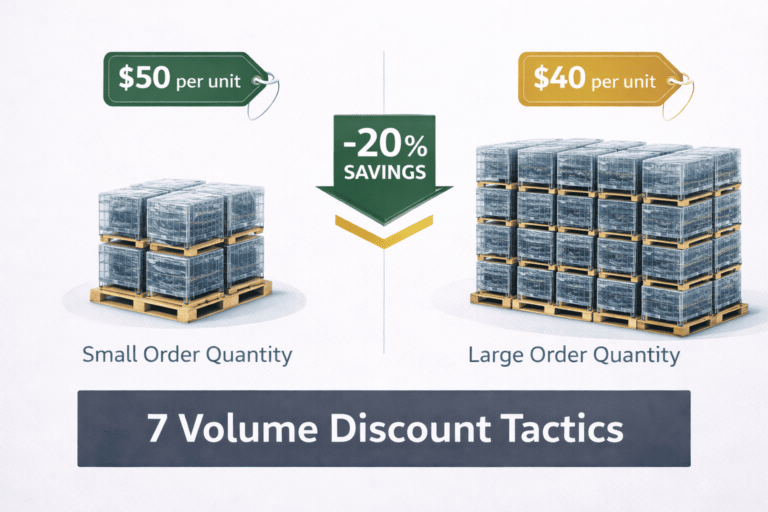
Additional warehousing expenses include inventory management systems ($200-$500 monthly), handling and pick/pack fees ($0.50-$2.00 per unit), and insurance on stored inventory (0.2-0.5% of value annually). Flexible MOQ strategies help minimize inventory holding costs. Implementing volume discount tactics can offset warehousing costs by reducing per-unit prices.
💡 Pro Tip
Implement just-in-time inventory management when possible. Coordinate shipping schedules with sales forecasts to reduce warehousing duration. Shortening warehousing time from 90 days to 30 days can save $2,000-$5,000 per container in storage fees.
Cost #5: Payment and Currency Exchange Losses
Payment processing and currency exchange fees quietly erode profit margins. Wire transfer fees cost $25-$75 per transaction, while credit card processing adds 2.5-3.5% to transaction value. Currency exchange spreads range from 0.5-2% depending on payment method and provider.
💳 Payment Methods & Costs
- Wire Transfer (T/T): $25-$75 fee
- L/C (Letter of Credit): 0.5-2% of value
- Credit Card: 2.5-3.5% processing fee
- PayPal: 3.4-4.4% fee
💱 Currency Exchange Tips
- Use forward contracts for large orders
- Compare exchange rates across providers
- Time transfers strategically
- Negotiate better rates with banks
Currency fluctuation represents the most unpredictable payment cost. A 5% shift in USD/CNY exchange rate on a $20,000 order equals $1,000 in unexpected costs. XE Currency Converter provides real-time exchange rates to monitor market conditions.

Strategy: Request quotations in your local currency to lock in exchange rates. However, be aware that manufacturers add 2-3% to cover their own exchange risk, so compare total costs carefully.
Cost #6: Insurance and Protection Costs
Cargo insurance protects against loss, damage, or theft during transit. Marine insurance costs 0.3-0.8% of cargo value, typically $150-$400 per container. Additional insurance expenses include product liability coverage ($500-$2,000 annually) and warehouse inventory insurance (0.2-0.5% of value yearly).
| Insurance Type | Cost Range | Coverage | Recommended |
|---|---|---|---|
| Marine Cargo Insurance | 0.3-0.8% of value | Transit loss/damage | ✅ Essential |
| All-Risk Coverage | +0.2% premium | Comprehensive transit risks | ✅ Recommended |
| Product Liability | $500-$2,000 annually | Legal claims, injuries | ✅ Essential for retail |
| Warehouse Inventory | 0.2-0.5% annually | Storage fire, theft, water | ✅ Recommended |
While insurance adds to costs, the financial protection is invaluable. A single container loss without insurance could cost $20,000-$50,000. TradeMarq and Flexport offer competitive cargo insurance options.
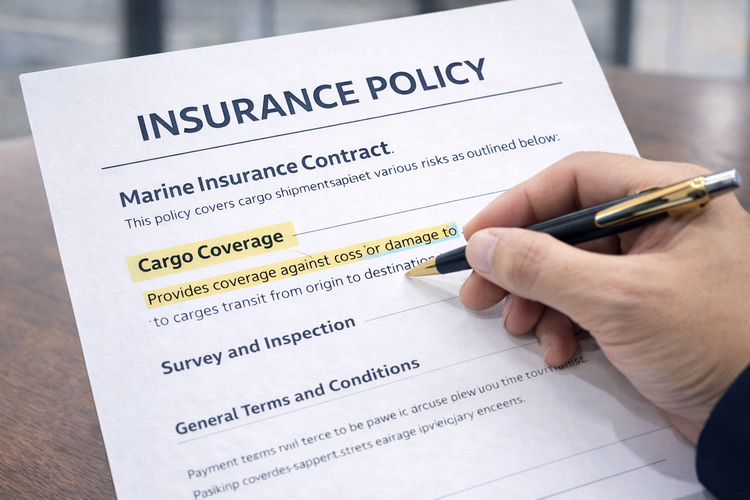
💡 Pro Tip
Bundle insurance coverage with freight forwarders for better rates. Freight forwarders typically charge 0.4-0.6% for all-risk coverage compared to 0.7-1.0% when purchased separately from insurance brokers.
Cost #7: Time Costs and Delays
Time costs represent opportunity costs of capital tied up in transit and inventory. Wire dog cage importing involves 60-90 days from order to warehouse arrival. During this period, working capital is unavailable for other business needs.
⏱️ Time Cost Calculation Example
Order Value: $20,000
Transit + Customs Time: 75 days
Cost of Capital: 10% annually
Time Cost: $411 (20,000 × 10% × 75/365)
Production delays add significant time costs. Factory delays of 15-30 days are common in Chinese manufacturing. Each week of delay represents $38 in time costs per $10,000 order value at 10% cost of capital.
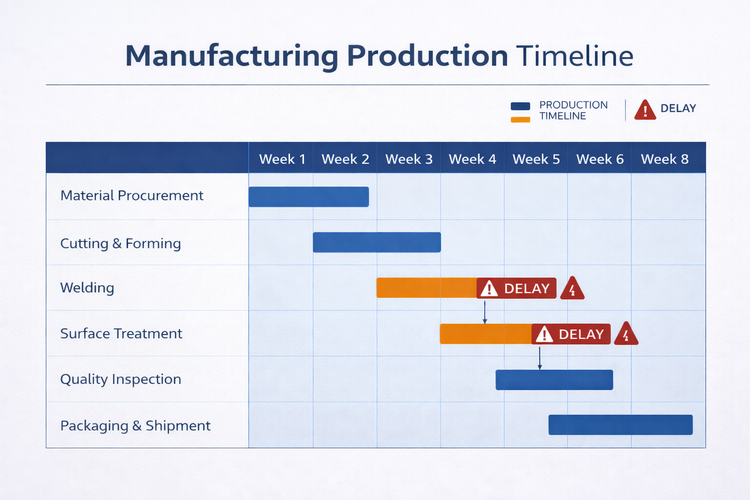
⚠️ Common Delay Causes
- Raw material shortages
- Chinese New Year (2-3 weeks)
- Quality rework requirements
- Customs documentation issues
- Shipping capacity constraints
✅ Delay Mitigation Strategies
- Build buffer time into schedules
- Maintain supplier relationships
- Have backup suppliers
- Prepare complete documentation
- Plan around Chinese holidays
How to Calculate and Avoid These Hidden Costs
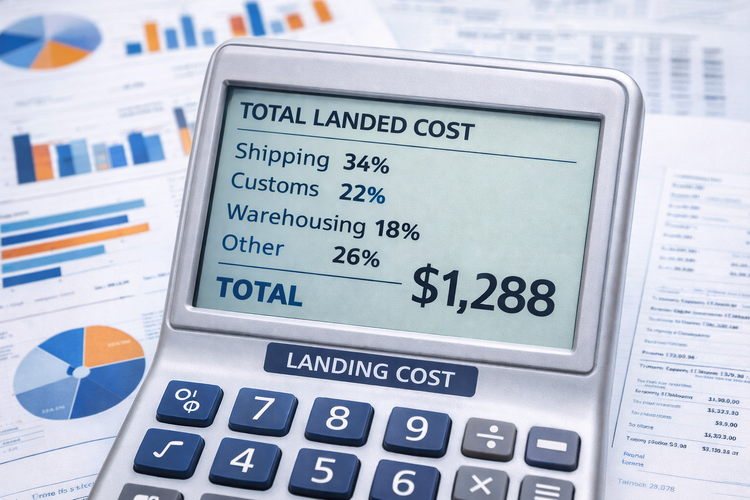
Accurately calculating total landed cost requires summing all seven hidden cost categories. Create a comprehensive cost breakdown spreadsheet to track each expense category and identify optimization opportunities.
- Request Detailed Quotations: Ask manufacturers to break down quotes including FOB, EXW, or CIF terms to understand base costs.
- Calculate Shipping Costs: Obtain freight quotes from multiple forwarders for different shipping methods and container sizes.
- Research Duties and Taxes: Check official customs websites for current duty rates and applicable tariffs for your destination country.
- Factor Quality Control: Include budget for inspections based on order value and quality requirements.
- Estimate Warehousing: Calculate storage duration and multiply by daily warehousing rates.
- Account Payment Costs: Include wire transfer fees, credit card charges, and currency exchange spreads.
- Add Insurance Coverage: Include marine insurance and product liability costs in calculations.
- Calculate Time Costs: Multiply order value by cost of capital and transit time in years.
Example Calculation for 500 Wire Dog Cages:
Factory Quote: $15,000 (FOB)
Shipping: $2,500 (FCL)
Customs: $750 (5%)
Quality Control: $600
Warehousing: $1,200 (2 months)
Payment: $750
Insurance: $300
Time Cost: $400
Total Landed Cost: $21,500 (43% above factory quote)
Action Plan for Cost Control
Implement these strategies to minimize hidden costs in your wire dog cage importing operations:
📋 Immediate Actions
- Request landed cost quotations from suppliers including all charges to your warehouse door
- Obtain multiple freight quotes and compare shipping methods
- Verify correct HS codes and duty rates with customs brokers
- Budget for quality control inspections on all shipments
📋 Medium-Term Strategies
- Negotiate volume discounts with freight forwarders
- Implement just-in-time inventory management
- Use forward contracts to lock in exchange rates
- Bundle insurance coverage for better rates
📋 Long-Term Optimizations
- Develop relationships with multiple reliable suppliers
- Optimize order quantities to achieve full container loads
- Invest in quality systems to reduce returns
- Diversify sourcing to reduce dependency risks
Understanding and controlling hidden costs transforms wire dog cage importing from a risky endeavor into a profitable business operation. Comprehensive pricing analysis helps buyers make informed sourcing decisions that protect profit margins.