How to Prevent Wire Dog Cage Rust: Complete Maintenance & Storage Guide
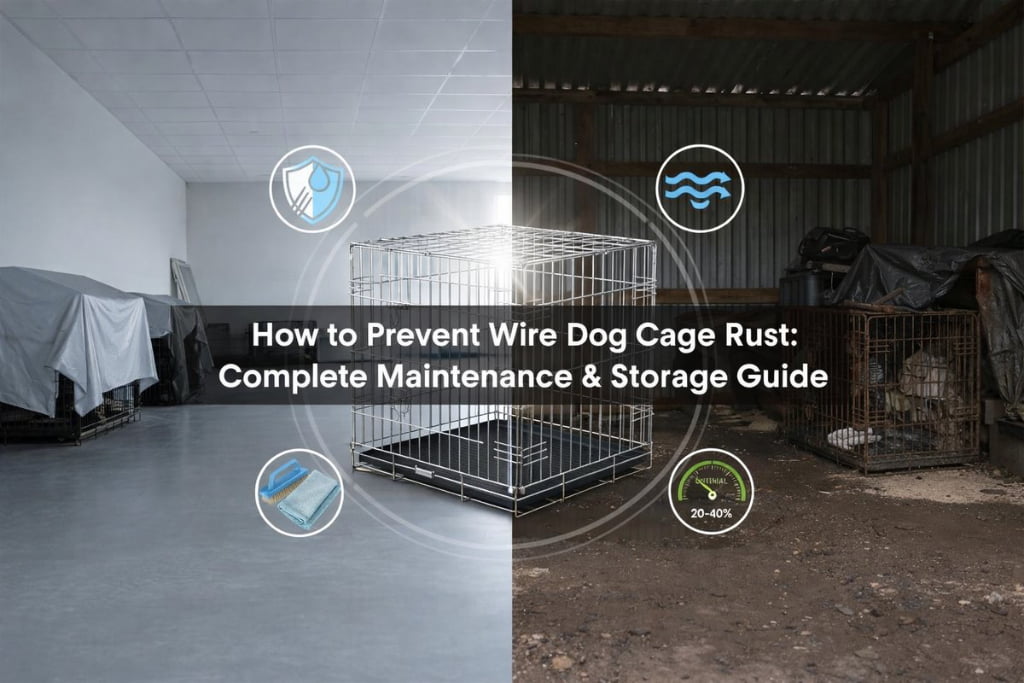
Proper wire dog cage rust prevention combines moisture control, routine inspection, and storage discipline. In our experience, teams that run a simple weekly checklist can significantly reduce corrosion-related complaints and replacement losses.
For B2B buyers, rust prevention is not just maintenance—it is margin protection. Rust issues can quickly turn into returns, discount requests, and reputation damage. This guide focuses on practical actions your warehouse and sourcing teams can execute.
Rust formation on wire dog cages follows predictable patterns. Once you understand where corrosion usually starts—weld points, coating chips, and high-humidity storage zones—you can prevent most early failures with low-cost controls.
Whether you store inventory for weeks or ship across humid regions, the goal is the same: keep cages dry, keep coatings intact, and respond early to minor damage before it spreads.
The Cost of Rust
Science of Rust in Wire Dog Cages
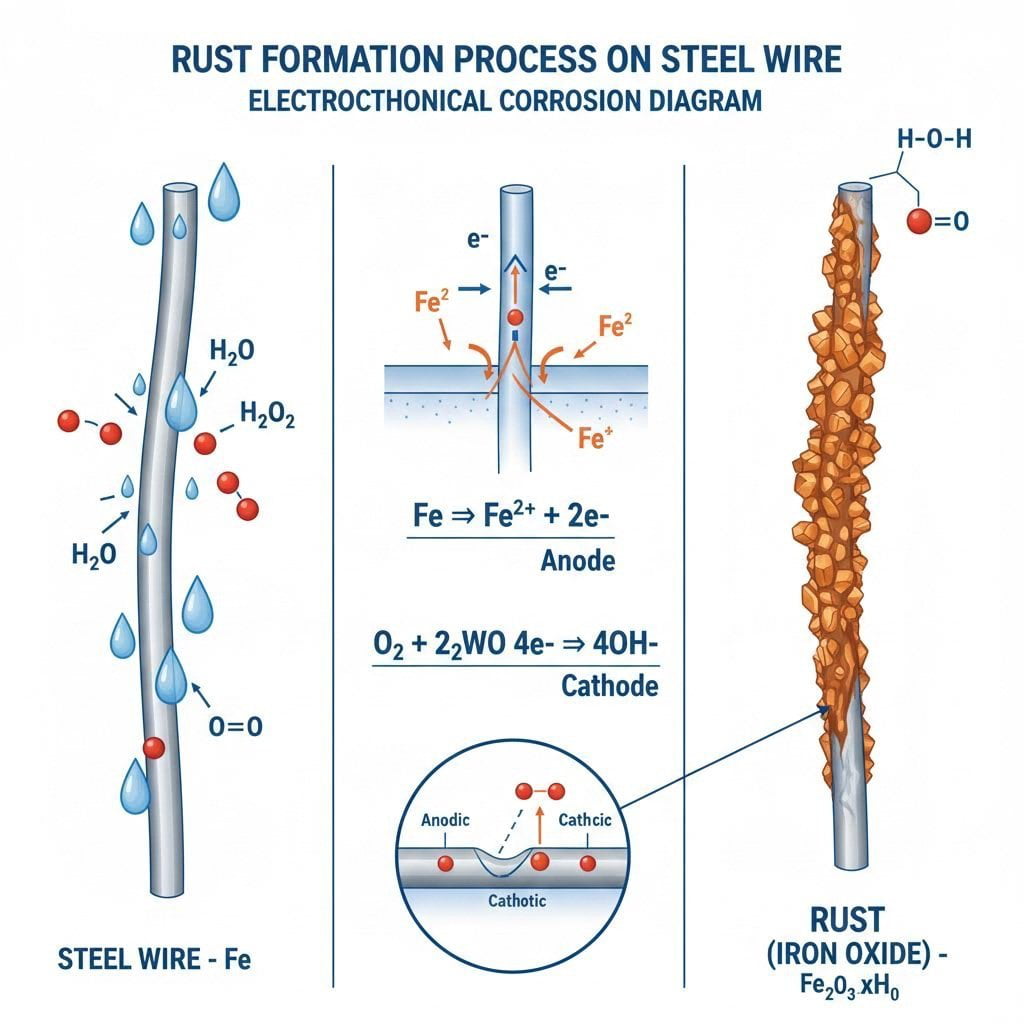
Rust formation on wire dog cages is an electrochemical process requiring three elements: iron (from steel), oxygen, and moisture. When these components combine, iron oxidizes, creating the characteristic reddish-brown corrosion that weakens cage structures.
From a practical B2B perspective, this means corrosion control is mostly about breaking one condition in that chain—usually moisture exposure time. The longer water stays on the surface, especially around welds and coating defects, the faster visible rust appears.
Galvanic corrosion poses additional risks for wire dog cages. When dissimilar metals contact each other in the presence of moisture, electrons flow between them, accelerating corrosion of the less noble metal. This commonly occurs at connection points where zinc-coated wires meet uncoated steel components.
Environmental Factors Accelerating Rust
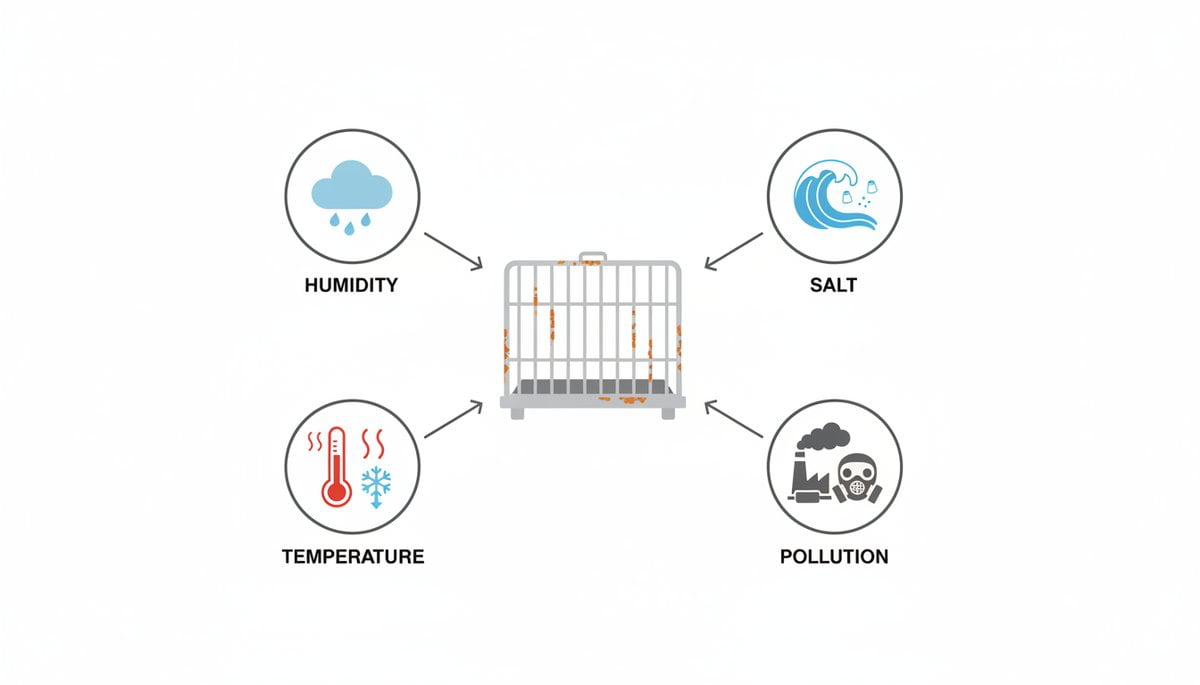
Several environmental conditions dramatically accelerate wire dog cage rust formation. Understanding these factors helps implement targeted prevention strategies for specific storage locations and climates.
Temperature plays a crucial role in corrosion rates. Higher temperatures increase the speed of electrochemical reactions, doubling rust formation rates for every 10°C increase above room temperature. However, extremely low temperatures can trap moisture in micro-cracks within coatings, leading to unexpected corrosion during freeze-thaw cycles.
High Humidity
Relative humidity above 60% creates condensation on metal surfaces, initiating rust formation within 24-48 hours.
Salt Exposure
Coastal and marine environments deposit salt crystals that act as electrolytes, accelerating corrosion by 5-10x.
Temperature Fluctuations
Daily temperature swings cause condensation cycles that repeatedly wet and dry surfaces, promoting rust.
Industrial Pollutants
Sulfur dioxide and acid rain in industrial areas lower pH on metal surfaces, accelerating corrosion rates.
Common Buyer Mistake
What We Usually Check First
Pre-Purchase: Choosing Rust-Resistant Cage Specs
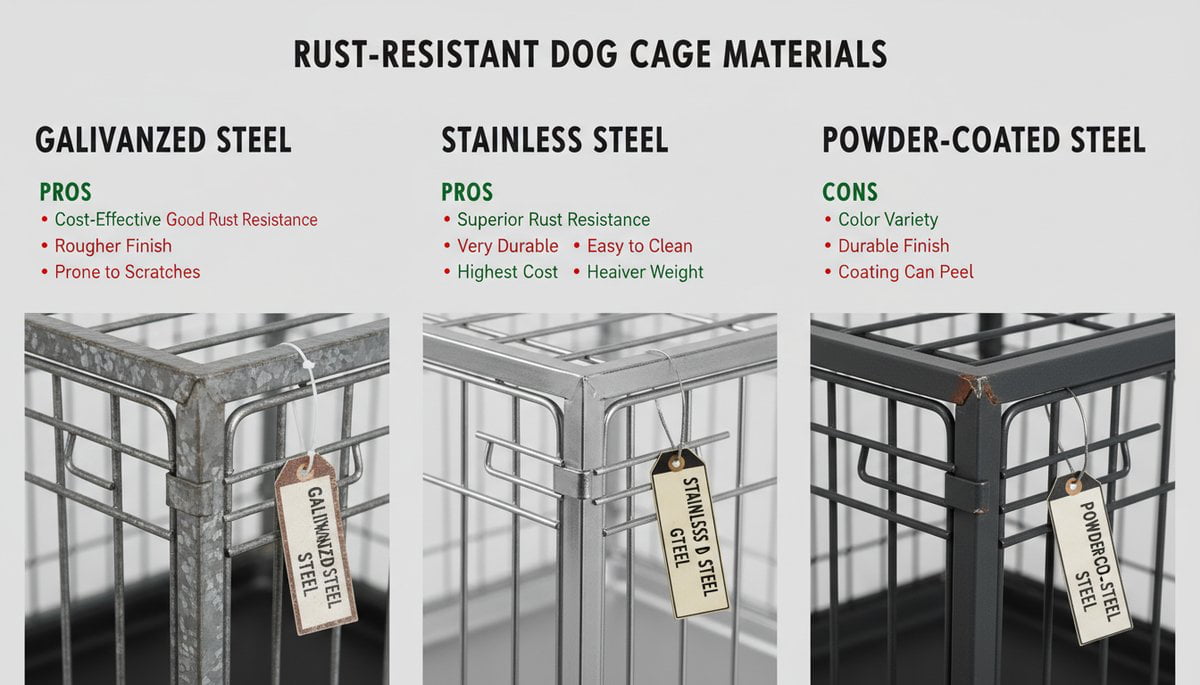
Effective wire dog cage rust prevention begins before purchase. We usually recommend selecting protection level by destination environment first, then optimizing cost within that level.
Buyers should prioritize cages with protective treatments suited to their intended storage and usage environments. Initial material selection impacts long-term maintenance costs and product lifespan. The upfront investment in superior materials typically pays for itself within the first year through reduced maintenance and replacement costs.
When evaluating rust-resistant specifications, consider the intended end-use environment. Cages destined for coastal regions require different protection levels than those for dry, inland climates. Similarly, outdoor kennel applications demand more robust corrosion protection than indoor retail displays.
| Specification | Rust Prevention Level | Best For |
|---|---|---|
| Galvanized Steel (Z275) | Excellent | Outdoor/Coastal |
| 304 Stainless Steel | Superior | High-Humidity/Industrial |
| Powder Coated Cold Steel | Good | Indoor/Climate Controlled |
| E-Coat + Powder Coat Dual | Excellent | Heavy-Duty/Commercial |
Specification Warning
Our Practical Recommendation
Storage Best Practices for Wire Cage Rust Prevention
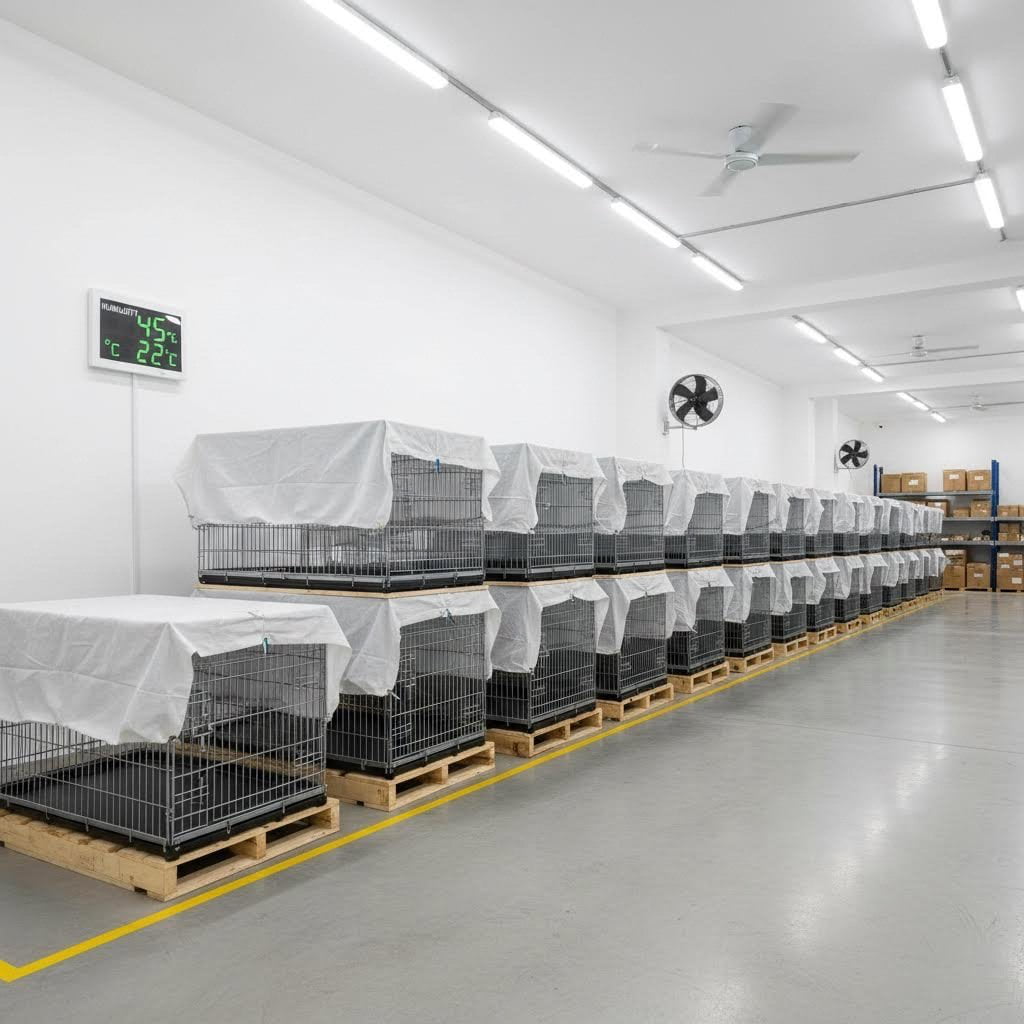
Proper storage is the foundation of wire dog cage rust prevention. Warehouse conditions and handling procedures significantly impact corrosion rates during inventory holding periods.
Implementing systematic storage protocols protects cage inventory from environmental moisture and contamination. In practice, two points matter most: preventing standing moisture and ensuring airflow between stacked units. These practices apply whether storing cages for weeks or months before distribution.
What we usually see go wrong: plastic wrapping that traps condensation, ground-level stacking in humid warehouses, and delayed rotation causing long-term exposure in high-risk zones. Fixing these three issues typically prevents most storage-related rust.
Optimal Warehouse Storage Setup
Creating rust-resistant storage environments requires attention to several key factors. Warehouse design and organization significantly impact corrosion prevention effectiveness.
Lighting conditions also influence rust formation. UV exposure can degrade protective coatings over time, particularly on cages stored near windows or skylights. Position storage racks away from direct sunlight to extend coating lifespan and maintain appearance quality.
- Elevation: Store cages on raised pallets (minimum 4 inches) to prevent ground moisture absorption
- Spacing: Maintain 12-inch gaps between cage stacks for air circulation
- Orientation: Position wire faces to allow drainage and airflow
- Covering: Use breathable covers, never plastic sheeting that traps condensation
- Rotation: Implement FIFO (First In, First Out) inventory rotation
Humidity Control for Cage Rust Protection
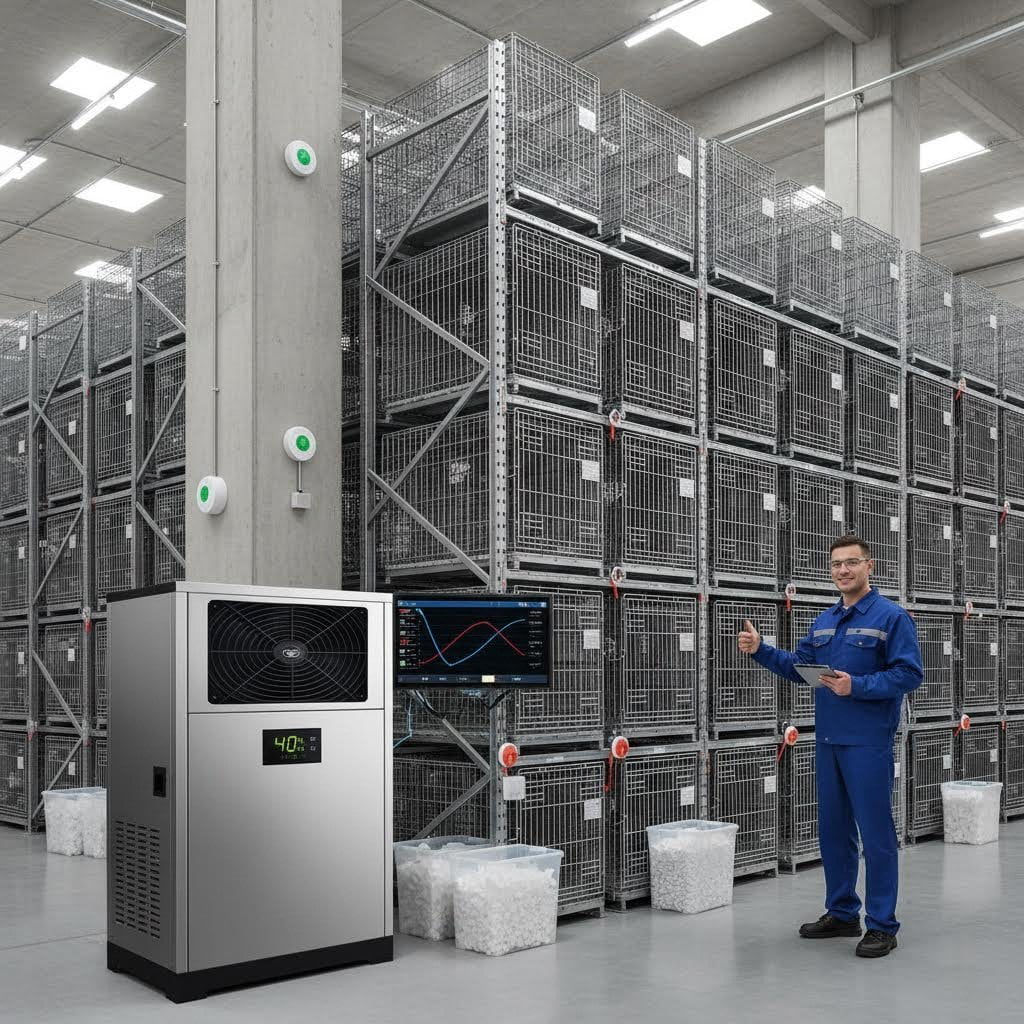
Humidity control is critical for wire dog cage rust prevention in storage facilities. Maintaining relative humidity below 60% dramatically reduces corrosion risk.
Humidity Control Solutions
Desiccant Systems: Cost-effective for smaller storage areas. Silica gel and calcium chloride absorb moisture from enclosed spaces.
Ventilation: Proper airflow prevents moisture accumulation. Install exhaust fans and intake vents for continuous air exchange.
Monitor humidity levels continuously using digital hygrometers placed throughout storage areas. Record readings weekly to identify seasonal patterns and equipment effectiveness.
Humidity Control Priority by Region
• Moderate climates: good ventilation plus seasonal desiccant use often sufficient.
• Dry climates: focus on preventing localized condensation (dock doors, cold walls) rather than whole-warehouse systems.
Dog Cage Maintenance: Recommended Routines
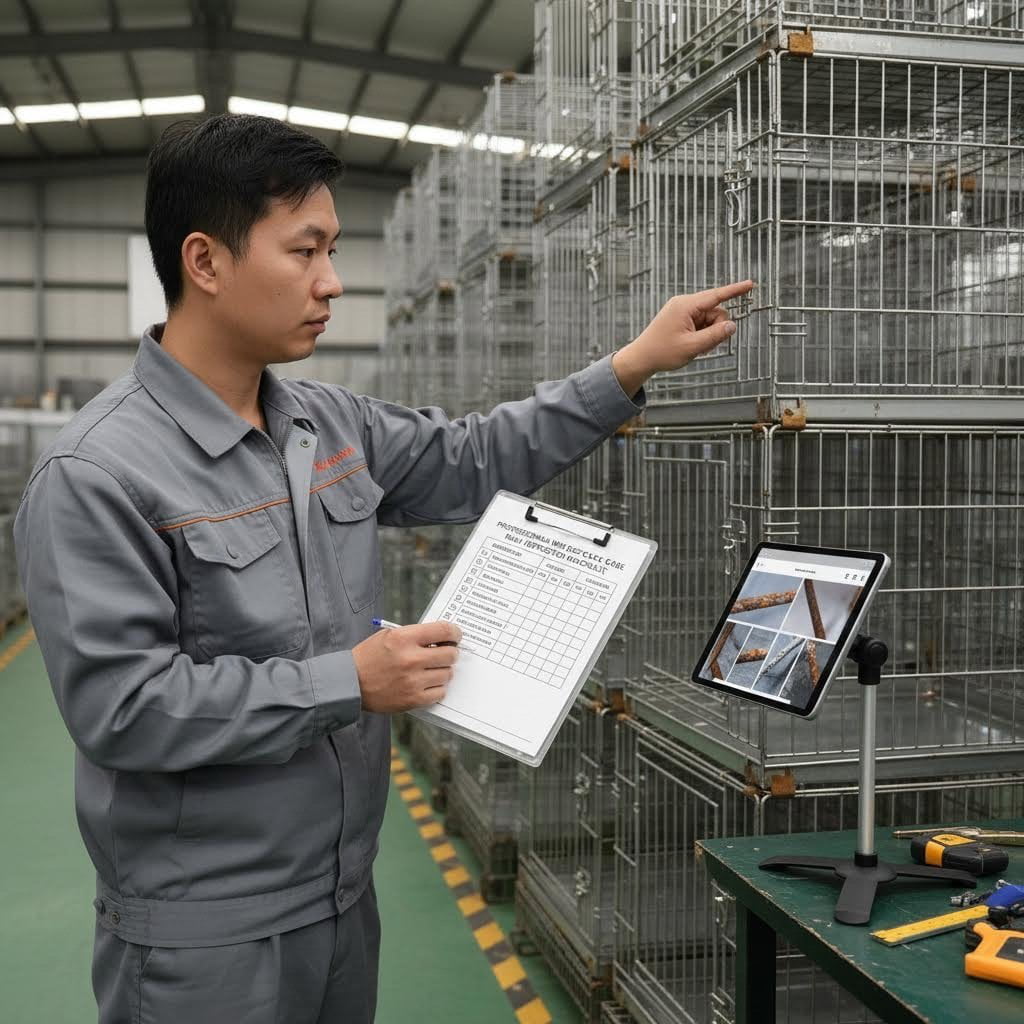
Systematic maintenance routines are essential for long-term wire dog cage rust prevention. Regular inspection and touch-up maintenance catch early corrosion before it spreads.
Maintenance frequency depends on storage environment and cage usage. High-humidity or coastal locations require more frequent attention than climate-controlled indoor storage. Document all maintenance activities to track cage condition over time and identify patterns that may indicate systemic issues.
Training staff on proper maintenance procedures ensures consistent care across your entire inventory. Provide checklists and visual guides to help team members identify early rust signs and apply appropriate treatments. Well-trained employees are your first line of defense against corrosion damage.
What we recommend for training: use photo examples of “acceptable wear” vs “requires action,” set clear escalation rules (e.g., any rust larger than a coin gets flagged), and assign specific team members to high-risk inventory zones.
| Environment | Inspection Frequency | Maintenance Actions |
|---|---|---|
| Climate Controlled Indoor | Quarterly | Visual inspection, dust removal |
| Standard Warehouse | Monthly | Spot cleaning, touch-up coating |
| High Humidity/Coastal | Weekly | Full inspection, protective spray |
| Outdoor Storage | Daily (during use) | Water removal, immediate drying |
Maintenance Checklist
Follow this systematic approach during each maintenance cycle. Consistent procedures ensure no critical checks are overlooked and maintain comprehensive records for quality assurance.
Record-keeping enhances maintenance effectiveness. Document inspection dates, findings, and corrective actions for each cage or batch. This data helps identify trends, predict maintenance needs, and demonstrate quality control to customers and auditors.
Visual Inspection
Check all surfaces for discoloration, bubbling, or early rust spots. Pay special attention to welds and joints.
Surface Cleaning
Remove dust, debris, and contaminants that trap moisture against metal surfaces.
Spot Treatment
Address minor coating damage with compatible touch-up products before rust develops.
Protective Application
Apply rust-inhibiting spray or light oil coating to vulnerable areas in aggressive environments.
Cleaning Protocols for Wire Dog Cage Longevity
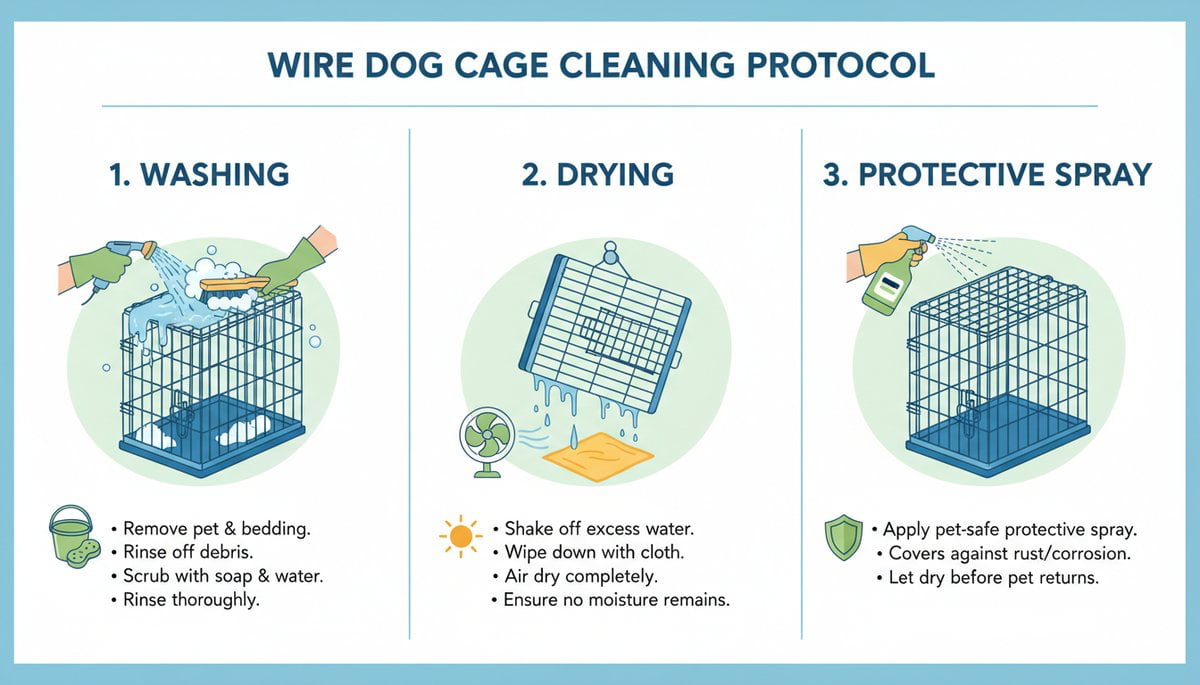
Proper cleaning protocols support wire dog cage rust prevention by removing contaminants that accelerate corrosion. However, improper cleaning methods can actually promote rust formation.
The key is using cleaning methods and products that remove dirt and organic matter without compromising protective coatings or leaving moisture on metal surfaces. Always test cleaning products on a small, inconspicuous area before applying to entire cage surfaces.
Organic matter such as pet hair, food residue, and biological waste can trap moisture against metal surfaces, creating localized corrosion cells. Regular cleaning removes these contamination sources before they initiate rust formation. Pay special attention to wire intersections and corners where debris accumulates.
Recommended Cleaning Methods
| Cleaning Method | Best For | Rust Risk |
|---|---|---|
| Dry Brushing | Dust and loose debris | None |
| Mild Soap + Water | General cleaning | Low (if dried properly) |
| Pressure Washing | Heavy dirt/build-up | Medium (coating damage) |
| Steam Cleaning | Sanitization needs | High (if not dried) |
Cleaning Best Practices
Common Cleaning Mistake
Avoid harsh chemicals and abrasive scrubbers that damage protective coatings. Acidic cleaners and steel wool accelerate rust by removing protective layers and leaving reactive residue.
FAQ: Wire Dog Cage Rust Prevention Questions
Conclusion: Mastering Cage Rust Prevention
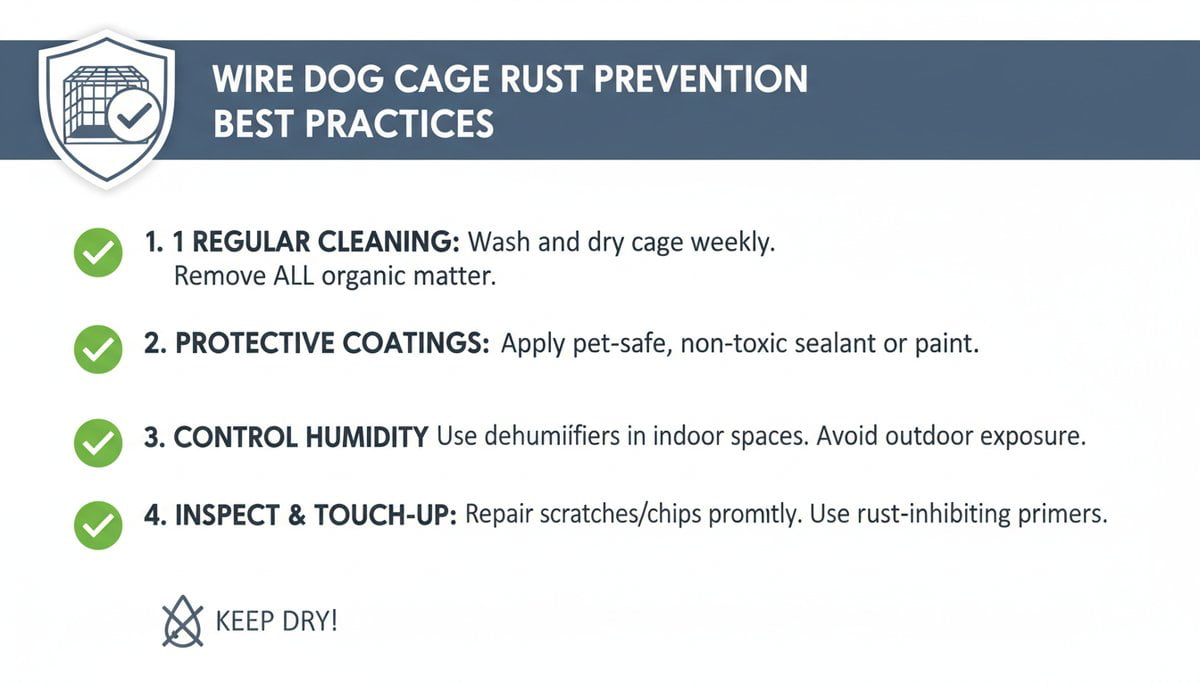
Effective wire dog cage rust prevention is a system, not a single action. For B2B teams, the best results usually come from combining three layers: correct material/coating specs, controlled storage conditions, and routine inspection with fast touch-up response.
Our practical recommendation is simple: assign clear ownership for humidity monitoring, set inspection frequency by environment risk, and standardize corrective actions for minor rust and coating damage. This prevents small issues from becoming replacement-level losses.
Supply chain conditions still matter. Cages may pass through multiple warehouses and climate zones, so coordinate handling standards with logistics partners and keep condition records during custody transfer.
Key Takeaways
2. Control Storage Conditions: Maintain humidity below 60% and ensure proper ventilation
3. Implement Maintenance Routines: Regular inspection and early intervention prevent major corrosion
4. Train Your Team: Ensure all staff understand rust risks and prevention protocols
Wire dog cage rust prevention is not a one-time action but an ongoing commitment to quality. The investment in proper storage, maintenance, and handling protocols pays dividends through extended product lifespan, reduced waste, and enhanced customer satisfaction.
Seasonal considerations also affect rust prevention strategies. Winter months bring additional challenges from road salt and increased indoor humidity from heating systems. Summer heat accelerates corrosion rates and may increase condensation in climate-controlled spaces. Adjust maintenance schedules accordingly throughout the year to address these seasonal variations effectively.
What we usually recommend before peak season: audit dehumidification capacity, confirm breathable covering materials, and refresh staff checklists for high-risk zones such as dock areas and corner stacks.
For comprehensive protection, start with the right wire dog cage material selection and surface coating. Understanding expected cage lifespan helps you plan maintenance schedules and replacement timelines effectively.
External References: NACE International – Corrosion Standards | ASTM G85 – Modified Salt Spray Testing | ISO 9227 – Corrosion Tests in Artificial Atmospheres